
Roof replacement in Denver: what is included, permits and the code-compliant 5-year certification
A licensed Denver roof replacement contractor since 2016, with 3,000+ Front Range projects. We pull a city permit on every job, install Class 4 hail rated systems to your wind zone, and manage your insurance claim from inspection to recoverable depreciation. Free inspection, written report in 24 hours.
Book your free inspection
Pick a time and we send a written replacement scope with photos within 24 hours.
What a Denver roof replacement actually involves
Direct answer: A roof replacement in Denver is a full tear-off and reinstall of the roofing system to the decking, pulled under a Denver building permit, installed with Class 4 hail rated materials matched to your property's wind zone, and inspected by the city at completion. A typical full replacement runs $8,000 to $20,000, and when storm damage is the cause an approved insurance claim often covers most of it beyond your deductible.
Roof replacement across the Denver metro: Arvada, Aurora, Brighton, Broomfield, Castle Rock, Centennial, Commerce City, Englewood, Federal Heights, Highlands Ranch, Lakewood, Littleton, Northglenn, Parker, Thornton, Westminster, Wheat Ridge.
Roof replacement in Denver is not a simple materials and labor transaction. It involves city permitting that directly affects your insurance claim outcomes for the life of the home, wind zone classifications that govern which materials are code compliant at your specific address, and insurance policy structures that determine whether you receive full replacement cost or a depreciated payout. Founded in Denver in 2016, Precision Exteriors Restoration has completed 3,000+ Front Range projects, including more than 200 jobs in Denver, Aurora, and Montbello in 2024 and over 100 across Aurora and Denver in 2025. We have worked through every hail season since 2016, from the Berkeley and Sloan's Lake bungalows on the northwest side to the newer builds out in Green Valley Ranch and Stapleton. This page explains every factor that affects what you pay, how your roof performs, and what your claim pays the next time you need it.
Replacement and restoration jobs completed across Denver, Aurora, and Montbello in a single storm season.
From close-range inspection and Xactimate documentation through city inspection and supplement submission, every step is documented.
Your permit, signed inspection record, and warranties become a verifiable home asset for the next two decades.
When roof replacement is the right call in Denver
Direct answer: Replacement is appropriate when the roofing system can no longer be made reliably functional through targeted repair: widespread storm damage across multiple roof planes, system age at or past Denver's service life threshold, repeat failures in the same locations, decking damage found at tear-off, or an approved insurance replacement authorization.
A contractor who recommends replacement on every inspection call is not giving you an honest evaluation. Standard three-tab shingles in Denver typically perform 15 to 20 years. Architectural and dimensional shingles in the 30-year category realistically last 20 to 25 years under Denver's UV load and storm frequency. When a roof past these thresholds takes storm damage, repair extends it temporarily while replacement resets the clock. See our roofing services overview, or compare options on our Denver roof repair page before deciding.
- Hail damage across multiple planes, not one isolated section
- System age at or past the Denver service life threshold
- Repeated failures at the same flashing, boots, or ridge
- Decking rot or impact damage found during tear-off
- An approved full-replacement insurance authorization
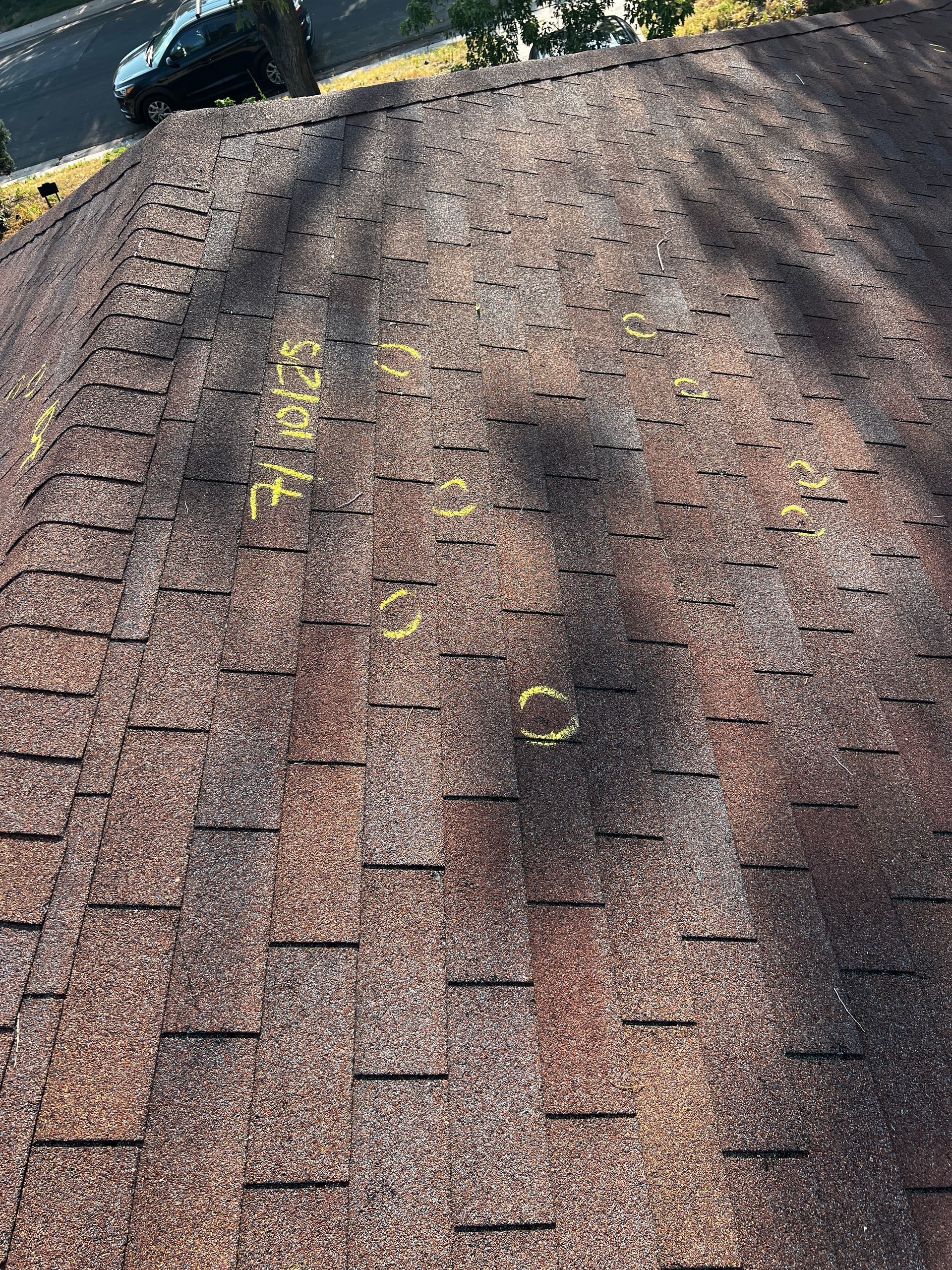 Widespread hail bruising, Denver metro
How much does a roof replacement cost in Denver?
Direct answer: A typical full roof replacement in Denver runs $8,000 to $20,000. Asphalt shingle is about $4 to $7 per square foot, standing-seam metal $7 to $18, and tile $10 to $18, depending on roof size, pitch, and material. When storm or hail damage is the cause, an approved Replacement Cost Value claim often covers most of the scope beyond your deductible.
Asphalt shingle
The most common Denver choice, with Class 4 impact rated lines that resist Hail Alley impacts.
Standing-seam metal
Long lifespan and strong snow shedding for exposed Front Range elevations.
Tile
Premium durability and curb appeal where the roof structure supports the weight.
Denver wind zones and why your address sets the material rating
Direct answer: Denver building code requires roofing materials rated to your property's design wind speed. Zone 1 needs 115 mph rated materials, Zone 2 needs 125 mph, and Zone 3, the most exposed areas on the western and southern edges of the metro, needs 140 mph. Installing under-rated materials fails the city inspection, so we verify your wind zone before finalizing the specification on every replacement.
| Wind zone | Required rating | Typical Denver areas | What it means for your install |
|---|---|---|---|
| Zone 1 | 115 mph | Sheltered inner-metro streets, central neighborhoods like Congress Park and Wash Park | Standard fastening patterns, most architectural shingle lines qualify |
| Zone 2 | 125 mph | Open suburban exposure across Aurora, Thornton, and Westminster | Enhanced nailing and overlap dimensions verified at install |
| Zone 3 | 140 mph | Western and southern edges toward Golden, Morrison, and the foothills | High-wind rated shingles and code-specific fastening, inspected closely |
Owens Corning Duration and TruDefinition series and CertainTeed Landmark and Northgate series all include wind rated options that meet these requirements. Installing Zone 1 materials on a Zone 3 property violates Denver building code and produces a failed city inspection, which is why we confirm classification before ordering material.
Which roofing material is best for a Denver replacement?
Direct answer: Class 4 impact resistant shingles are the performance standard for Denver. The UL 2218 test classifies shingles Class 1 through Class 4, and a Class 4 shingle withstands a 2-inch steel ball dropped from 20 feet without fracturing. On roofs exposed to the Front Range hail corridor, Class 4 is not an upgrade, it is the appropriate baseline, and several Denver-area HOA covenants now require it.
Class 4 impact rated asphalt
The highest UL 2218 rating, engineered to resist hail bruising and cracking on Denver roofs.
Why Denver: built for Hail Alley, and Colorado carriers including State Farm and Farmers offer 20 to 30% premium discounts.Architectural asphalt
Dimensional shingles in the 30-year category, the practical default for most Denver homes.
Why Denver: best value, with a clear upgrade path to Class 4 impact rated.Standing-seam metal
Concealed-fastener panels that shed snow and last decades with low maintenance.
Why Denver: superb snow shedding and UV durability at mile-high elevation.Concrete or clay tile
Maximum lifespan and a distinctive look for the right structure.
Why Denver: long-term durability where the roof structure supports the added weight.The Denver roof replacement process, step by step
Direct answer: Our replacement process runs eight documented steps: inspection and Xactimate documentation, scope and estimate, material selection, permit application to Denver Community Planning and Development, tear-off and decking assessment, installation to code, city inspection and final documentation, and insurance supplement submission.
Inspection and documentation
Close-range photos by plane, prepared in Xactimate format for your adjuster.
Scope and estimate
Surface area, penetrations, flashing, and decking reconciled with the adjuster estimate.
Material selection
Impact class, wind zone rating, and manufacturer warranty terms chosen together.
Permit application
Filed with Denver Community Planning and Development before any work begins.
Tear-off and decking
Removed to decking, then the full substrate is assessed for rot and damage.
Installation to code
Underlayment, ice and water shield, shingles, flashing, and ridge to spec.
City inspection and docs
Signed inspection record, permit copy, and warranties compiled for you.
Supplement submission
Any scope the adjuster missed is submitted with photos and code citations.
What your free replacement inspection includes
No cost, no pressure. Here is exactly what you receive.
- Full exterior roof evaluation by a certified inspector
- Written report with damage photos within 24 hours
- Xactimate-format documentation for your insurance claim
- Honest repair-versus-replace recommendation
- Wind zone and Class 4 material options explained clearly
- Transparent, itemized estimate with no surprises
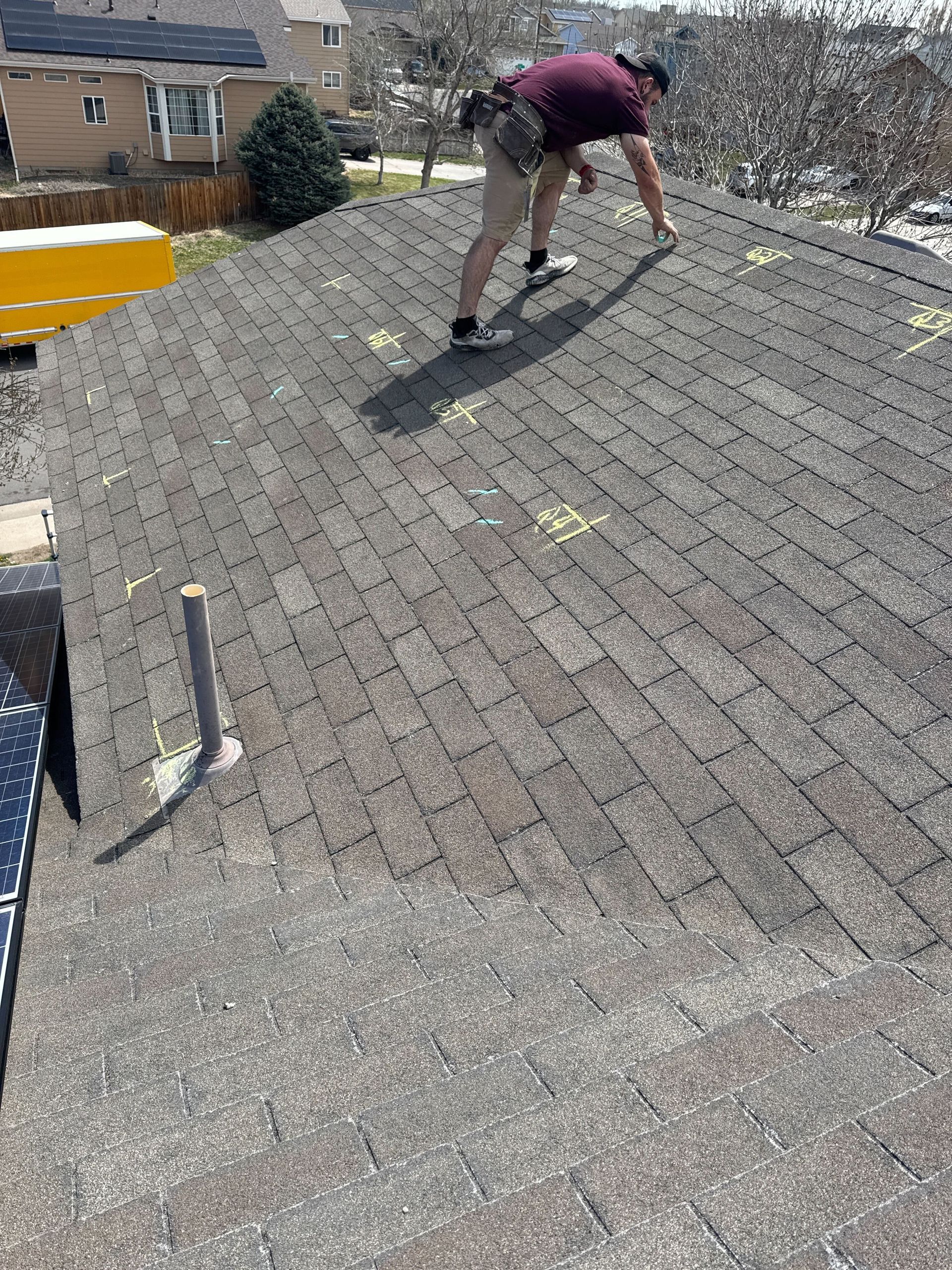 Permitted, documented install, Denver metro
The permit record and your insurance claim
Direct answer: A Denver building permit creates a permanent, city-filed record of when your roof was replaced and that it passed inspection. That record establishes your roof's age with certainty, which supports a Replacement Cost Value payout on a future claim. When no permit exists, the insurer evaluates age from visible condition, which can shift a claim from RCV to Actual Cash Value and cost you $5,000 to $15,000 or more.
RCV pays the full current cost of replacement minus your deductible. ACV deducts depreciation, so a 15-year-old roof on a 20-year expected life might receive only 25% of replacement cost, leaving you responsible for the rest. Ask any contractor directly: will you apply for a building permit before this work begins? A licensed Denver contractor answers yes. Precision Exteriors pulls permits on every roof replacement in Denver. It is not an optional line item, it is standard on every project, every time.
Many RCV policies also issue the first payment as ACV and hold back the depreciation until completion is proven. That holdback is called recoverable depreciation, and it is released when the carrier receives the contractor invoice. We walk every Denver client through this so the recoverable depreciation is submitted and collected, not left on the table.
RCV versus ACV on a Denver replacement claim
The single biggest swing in what your claim pays comes down to which valuation method the carrier applies. A permitted, documented installation is what supports the stronger one.
| Factor | Replacement Cost Value (RCV) | Actual Cash Value (ACV) |
|---|---|---|
| What it pays | Full current replacement cost, materials and labor, minus deductible | Replacement cost minus depreciation for roof age |
| Typical settlement | $12,000 to $22,000 | $3,000 to $5,500 on the same scope |
| Permit record impact | Verifiable install date supports RCV eligibility | No permit means age is assumed from visible wear |
| Common missed value | Recoverable depreciation released on proof of completion | Initial ACV check mistaken as final settlement |
Homeowners who manage claims without contractor support frequently receive settlements $1,500 to $4,000 below what the full scope warrants, not because the carrier denied it, but because decking, code upgrades, drip edge, ventilation, and mitigation were never submitted as supplements. We prepare and submit supplements on every insurance-originated replacement in Denver.
Why Denver roofs reach replacement faster
Denver sits in Hail Alley, where storm frequency, freeze-thaw cycles, and high-altitude UV put roofs under more stress than almost anywhere in the country.
A replacement partner Denver trusts
Direct answer: Since 2016, Precision Exteriors Restoration has completed more than 3,000 Denver-metro projects with manufacturer-certified crews, an A+ BBB rating, and a permit-and-document approach that protects both your roof and your insurance claim.
- Denver based and Denver focused through every hail season since 2016
- Owens Corning Preferred Contractor and CertainTeed Shingle Master Installer
- A permit pulled on every replacement, no exceptions
- A+ BBB rated, NRCA member, fully licensed and insured (License #0248041)
- Supplements and recoverable depreciation managed end to end
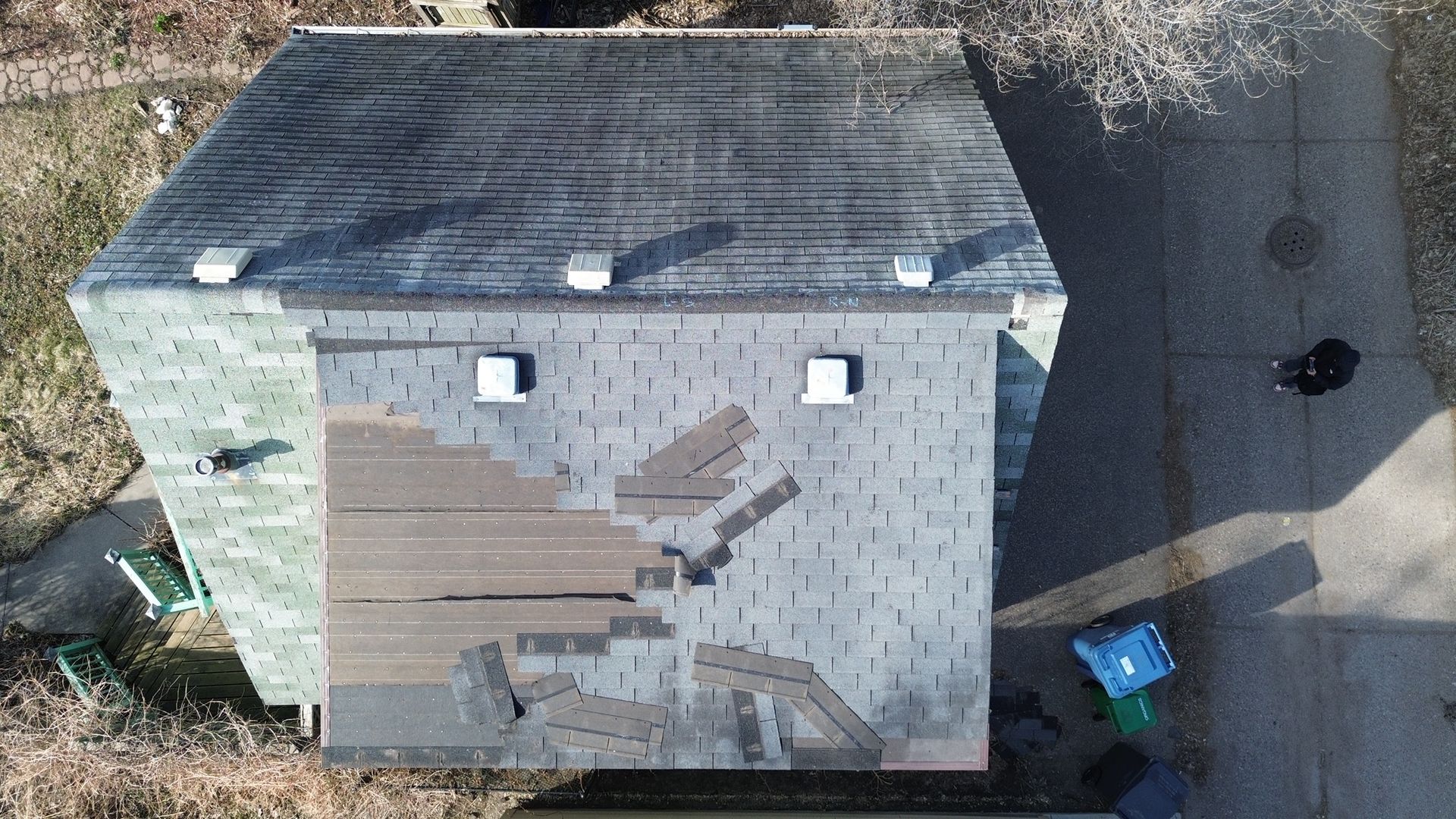 Storm-driven replacement, Denver metro
How to choose a roof replacement contractor in Denver
Direct answer: To choose a Denver replacement contractor, confirm they pull a city permit, verify the Colorado license, and confirm they document damage in Xactimate format and handle supplements directly. Storm chasers who skip permits and underspecify materials leave the market before warranty issues surface. Precision Exteriors checks all three.
Confirm they pull a permit
Ask directly: will you apply for a building permit before work begins? A licensed Denver contractor answers yes. We pull one on every job.
Verify the license
Ask for the Colorado roofing license number and confirm it. Ours is License #0248041, on file, fully insured, NRCA member.
Check claim handling
A trustworthy contractor documents in Xactimate, meets your adjuster on site, and submits supplements. We manage the claim end to end.
We take the risk off your shoulders
A replacement should feel safe. Between manufacturer warranties, hands-on insurance help, and flexible financing, the path forward is low risk from day one.
Workmanship and material warranties
Owens Corning Preferred and CertainTeed Shingle Master Installer certifications unlock extended manufacturer warranties that cover both material defects and installation, and transfer to the next owner.
We handle your insurance claim
We document in Xactimate format, meet your adjuster on site, and submit supplements so your settlement reflects the full replacement scope.
Flexible financing available
Ask about financing options that let you protect your home now and spread the cost into manageable payments.
Rated 4.6 stars by Denver neighbors
Real, verified Google reviews from Denver-area homeowners. We are proud of an honest 4.6 stars rating built one roof at a time. Read our reviews.
"The Precision team was great and provided me with great customer service and results. Special thanks to Anthony for helping me through the insurance process in making sure the details were covered."
"Great quality work, friendly service. Fast and clean service."
"They showed up on time, they knew their stuff, they did the work, and they did it well."
"Could not give Precision Exteriors a higher recommendation. Professional, timely, and great to work with."
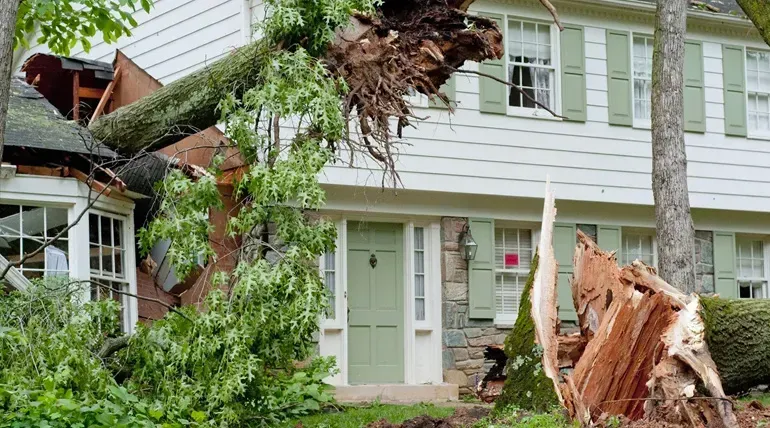 Storm response, Denver metro
Denver metro replacement service area
Direct answer: Precision Exteriors Restoration replaces roofs across Denver and the surrounding Front Range, from Berkeley, Sloan's Lake, and Green Valley Ranch in the city to Aurora, Arvada, Thornton, Westminster, Lakewood, Centennial, and Castle Rock, run from our downtown Denver office at 999 18th Street.
Looking at a specific service first? Compare our Denver roof repair and Denver storm damage pages, or return to the Precision Exteriors home page.
The Precision Warranty
Protected in writing, for the long run
Every Precision Exteriors Restoration replacement is backed in writing, so your Denver roof stays protected long after our crew leaves.
10-Year Workmanship Warranty
The Precision Warranty covers the quality of our installation for a full decade, in writing.
Certified-Installer Manufacturer Warranty
As an Owens Corning Preferred Contractor and CertainTeed Shingle Master Installer, we register manufacturer-backed material warranties most contractors cannot offer, and they transfer to the next owner.
Licensed, Insured, Local Since 2016
Colorado License #0248041, BBB A+ accredited, NRCA member, with 3,000+ completed Front Range projects.
Denver roof replacement questions, answered
How much does a roof replacement cost in Denver?
Do I need a permit to replace my roof in Denver?
What is the difference between RCV and ACV on my claim?
What roofing material is best for a Denver replacement?
How does the Denver wind zone affect my replacement?
How long does a roof replacement take in Denver?
Will you handle my insurance claim and supplements?
Are your roofers licensed and insured in Denver?
Book a free, no-obligation replacement inspection
Get a written replacement scope with photos in 24 hours. We inspect, document in Xactimate format, pull the permit, and handle your insurance claim so you do not have to.