
Window Services Denver: replacement, repair, installation and emergency response
Precision Exteriors Restoration replaces, repairs, and installs windows across Denver and the Front Range, including double-hung, casement, sliding, and egress windows. Window replacement Denver and window installation Denver done by a licensed Colorado contractor since 2016, with 3,000+ projects and a free inspection usually within the same week.
Schedule a free window inspection
Tell us what is going on with your windows and we will take a look. Most window projects finish in 1 to 2 days.
Window replacement Denver, repair, and installation in one licensed team
Direct answer: Precision Exteriors Restoration replaces, repairs, and installs windows across Denver and the Front Range, including double-hung, casement, sliding, and egress windows. A licensed Colorado contractor (License #0248041) since 2016 with 3,000+ projects, we install energy-efficient low-E glass units built for Colorado's high-altitude UV and freeze-thaw, backed by a 10-year workmanship warranty. Most window projects finish in 1 to 2 days, and free inspections are usually within the same week.
Our window services: window repair, window replacement, window installation, and emergency window service.
Window services: window replacement in Denver and new window installation.
Last updated June 2026. Reviewed by Precision Exteriors, licensed Colorado contractor (License #0248041).
Window repair vs. replacement in Denver
Direct answer: Choose window repair in Denver for a foggy or failed seal, broken glass, or minor frame or sash damage. Choose window replacement in Denver for single-pane or aging windows, widespread damage, drafts, and high energy bills. A free inspection that evaluates both frame and glass unit condition is the reliable way to make the call.
| Factor | Window repair | Window replacement |
|---|---|---|
| Best when | Foggy or failed seal, broken glass, minor frame or sash damage | Single-pane or aging windows, widespread damage, drafts and high energy bills |
| Typical Denver cost | $100 to $600 per window | $450 to $1,200 per window installed |
| Added lifespan | A few years | 20 to 30 years |
| Timeline | Same day to 1 day | 1 to 2 days |
| Energy impact | Minimal | Lower bills with double-pane low-E glass |
Precision Exteriors Restoration is a licensed exterior contractor in Denver, Colorado (Colorado License #0248041) providing residential window services across the Denver Metro and Colorado's Front Range, window replacement, window repair, new window installation, and 24-hour emergency window response following storm damage or sudden glass failure. Founded in 2016, we bring 20+ years of combined experience and 3,000+ completed exterior projects to every window assessment.
Windows on Colorado's Front Range operate under conditions that accelerate failure faster than most other markets in the country. At Denver's elevation, 5,280 feet, with surrounding communities reaching higher, UV intensity runs approximately 25 percent above sea level, accelerating frame degradation and insulated glass unit seal breakdown over time. Colorado's seasonal temperature range swings from sub-zero winter lows to glass-surface temperatures exceeding 130 degrees F on south and west exposures in summer, creating chronic thermal cycling stress on every window component. And the Front Range's position in Hail Alley means sudden glass breakage, frame damage, and seal failure from storm impact are year-round risks, not rare events.
In 2024, we responded to window damage calls alongside roofing and siding damage across Denver, Aurora, and Montbello following that season's major hail events. In 2025, we continued exterior restoration work across Aurora and Denver. We have been a Denver-based, Denver-focused exterior contractor every hail season since 2016, which means we understand how this specific climate degrades window systems, and how to assess them accurately. We are an Owens Corning Preferred Contractor and CertainTeed Shingle Master Installer. BBB A+ Accredited. NRCA member. All window work is backed by a 10-year workmanship warranty. Free inspections, no obligation.
Schedule a free window inspection or call (720) 408-1840.
A complete Denver window company, every window service in one place
Direct answer: Repair, replacement, installation, and emergency window service, energy-efficient units that seal the envelope and cut Colorado utility bills. Every window project begins with a free inspection that assesses the full window system before recommending a path forward.
Window Replacement
Energy-efficient replacement windows that meet Colorado's new code and lower heating and cooling bills.
Window Replacement →Window Repair
Fix failed seals, foggy glass, broken hardware, and drafts, restoring efficiency without full replacement.
Window Repair →Window Installation
New-construction and retrofit installation, correctly flashed and integrated with siding and trim.
Window Installation →Emergency Window Services
24/7 board-up and emergency window service to secure your home after storm or impact damage.
Emergency Window Services →Every window project begins with a free inspection. We assess the full window system, frame condition, seal integrity, glass unit performance, flashing integration, exterior casing, and weatherstripping, before recommending a path forward. We do not recommend replacement when repair restores performance.
Why windows fail faster in Colorado
Direct answer: Denver windows face high-altitude UV, severe thermal cycling, low humidity, and Hail Alley impact. Understanding the specific failure modes in this climate helps Denver homeowners recognize problems early, before a minor repair becomes a window replacement project.
IGU seal failure from thermal cycling: at altitude, the gas fill expands and contracts repeatedly, fatigues the edge seal, and you see fogging, cloudiness, or a milky film between the glass. South and west-facing windows fail first.
UV-accelerated frame degradation: Colorado's 300 days of annual sunshine yellow vinyl frames, dry weatherstripping, and create draft conditions often misdiagnosed as failed glass units when the actual failure is at the frame.
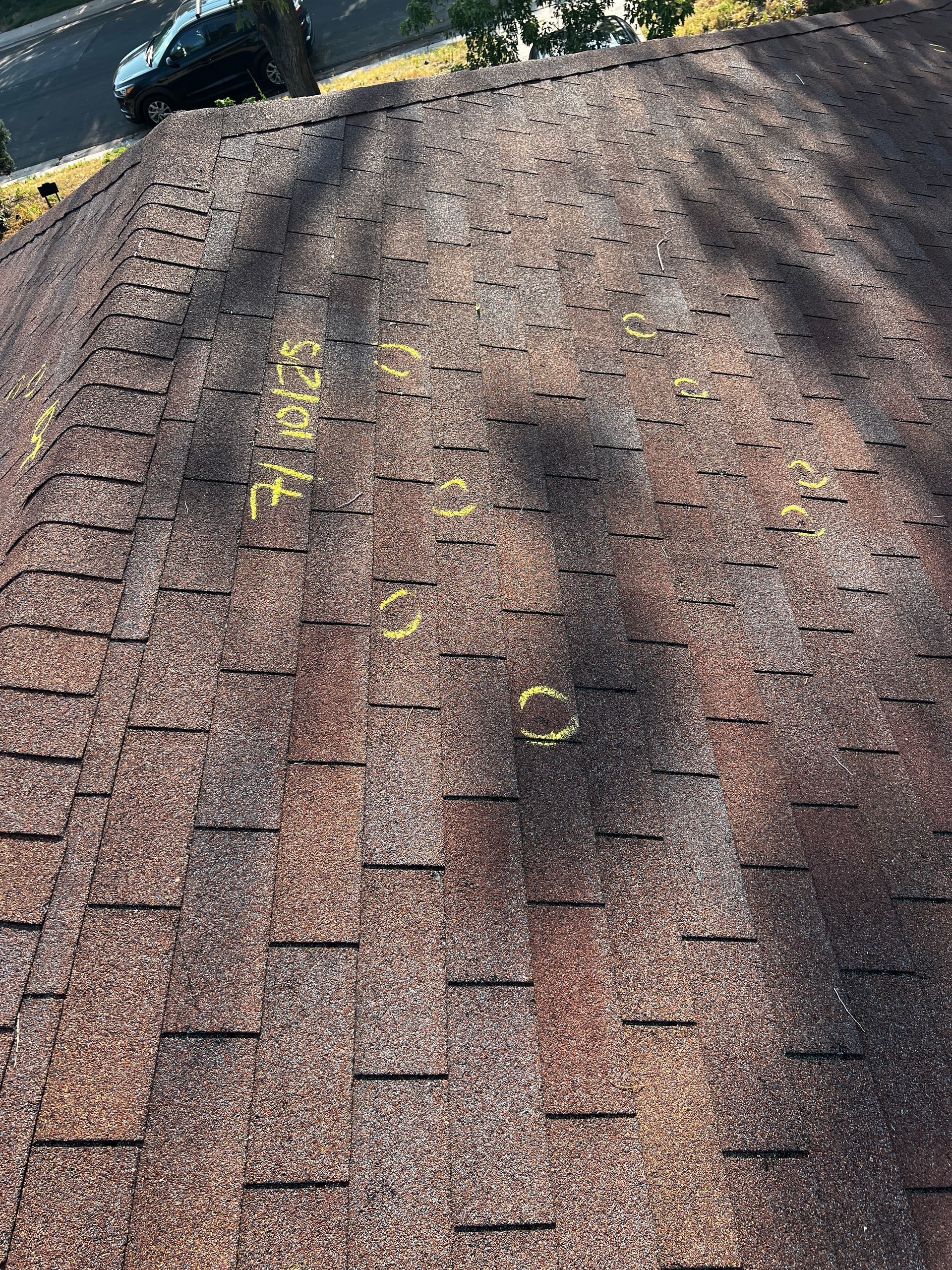
Hail and debris impact: the Front Range averages 7 to 9 significant hail events annually, common in Aurora, Thornton, and the northeast Denver suburbs, shattering glass, cracking frames, and denting aluminum cladding.
 Storm damage, Denver metro
Altitude-specific IGU pressure issues
At Denver's elevation, the atmospheric pressure acting on window glass is lower than at sea level. IGUs manufactured and sealed at lower elevations arrive in Denver with internal gas pressure calibrated for sea-level conditions, which means the sealed gas chambers bow outward slightly at altitude. Over time, this pressure differential stresses seals prematurely. Windows manufactured, distributed, and sealed for Front Range elevation perform better over time than those shipped from lower-altitude factories without altitude adjustment. This is a real differentiator in the Denver window market, and one that homeowners rarely hear explained clearly.
Hail damage to windows is frequently underclaimed in storm damage assessments: adjusters commonly scope only visibly broken glass while missing frame damage, cracked exterior casing, and screen destruction that collectively constitute functional damage eligible for coverage.
Colorado's new window law: what Denver homeowners need to know
Direct answer: As of January 2026, Colorado House Bill 23-1161 requires all residential window, door, and skylight replacements on structures three stories or lower to meet ENERGY STAR certification for the Northern climate zone. If you are replacing windows on your Denver Metro home in 2026 or beyond, this is not optional, it is a legal requirement.
For Denver homeowners, the law creates a practical complication. Colorado's Northern climate zone ENERGY STAR requirements specify U-factor and solar heat gain coefficient (SHGC) thresholds that are challenging to meet at altitude. At 5,280 feet, insulating glass units face the pressure differential issue described above, many IGU configurations that use capillary tubes to equalize pressure cannot achieve the low U-values required under Energy Star 7.0 without argon gas fill, and capillary tubes compromise the gas seal. The result is that not every window that carries an ENERGY STAR label on the box will perform correctly at Denver's elevation.
We source and install windows that meet both the HB 23-1161 compliance requirement and the altitude performance realities of the Front Range. If you have received a proposal from another contractor that does not address this requirement, or does not address altitude-rated IGU performance, that is worth asking about before committing.
Window replacement in Denver, done right the first time
Direct answer: Window replacement Denver is warranted when insulated glass unit seals have failed, frames have deteriorated beyond repair, hail or debris has broken glass or damaged frames beyond restoration, or when upgrading to higher-performance units for thermal, acoustic, or compliance reasons.
Colorado-specific replacement considerations include altitude-rated IGU products, Low-E glass coatings calibrated for Colorado's solar gain balance, double vs. triple pane decision-making based on home orientation and elevation, and HB 23-1161 ENERGY STAR compliance for all 2026 and beyond replacements. For the full breakdown of double vs. triple pane comparison for Colorado, U-factor and SHGC guidance, hail damage documentation, insurance claim support, cost context, and what the replacement process covers, see our dedicated window replacement in Denver guide.
Get a free replacement estimate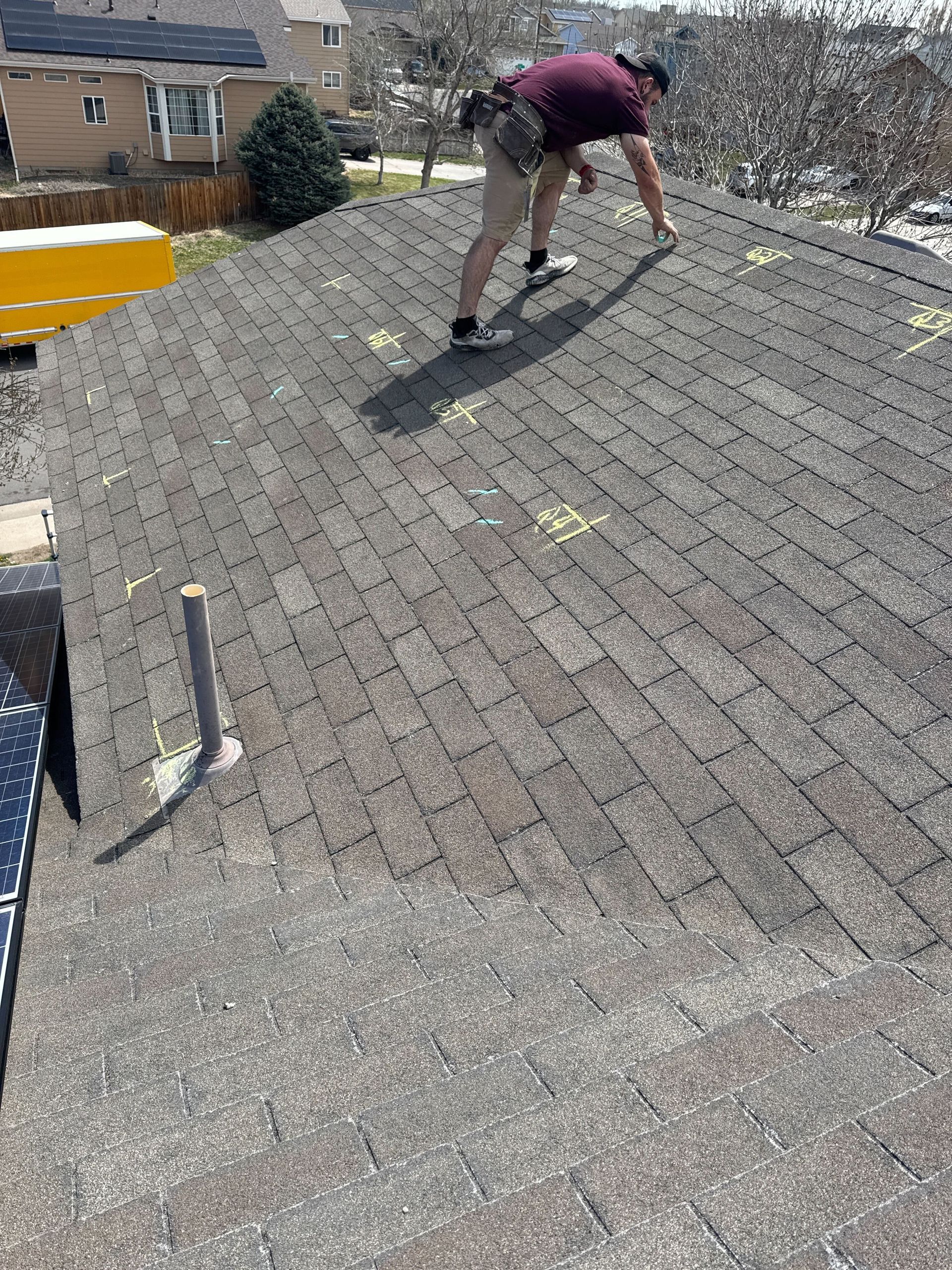 On-site inspection, Denver metro
Three more window paths, scoped to what your home actually needs
Window repair
Window repair addresses failed seals in insulated glass units where frame condition warrants unit-only replacement rather than full frame swap, hardware failures, locks, operators, balances, cranks, frame damage from wood rot or minor physical impact, and weatherstripping and flashing failures at window perimeters. Not every fogged or drafty window requires full replacement. When the frame is structurally sound and the failure is contained, repair is a cost-effective path. The key diagnostic question is whether the frame integrity justifies preserving it, we assess that directly during inspection rather than defaulting to either repair or replacement. See full Window Repair details → Includes: IGU-only replacement process, hardware repair specifics, weatherstripping replacement, draft diagnosis, and when repair stops making sense.
Window installation
New window installation covers projects where windows are being added to an existing wall or where rough openings are being modified for different unit sizes, home additions, egress conversions, remodel projects adding light or ventilation to existing spaces. New installation involves more structural scope than replacement-in-kind: correct header sizing, framing modification, rough opening construction, full flashing and air sealing integration with the wall assembly, and building permit coordination. It is a fundamentally different scope from window replacement, with different cost, timeline, and structural requirements. See full Window Installation details → Includes: rough opening requirements, egress window code specifications, permit process, structural scope, and what new installation vs. replacement-in-kind involves.
Emergency window services
Hail impacts, debris strikes, and break-in events can create sudden window failures that leave a home exposed to weather and security risks. Emergency window services provide same-day and next-day response, temporary boarding, glass unit removal and covering, and interim sealing to protect the interior until permanent repair or replacement can be safely scoped and completed. Available 24 hours. Call (720) 408-1840 for emergency response. See full Emergency Window Services details → Includes: what to do before we arrive, insurance documentation, temporary vs. permanent solutions, and response times across the Denver Metro.
What your free window inspection includes
No cost, no pressure. We assess the full window system before recommending a path forward.
- Frame condition and structural integrity check
- Seal integrity and IGU performance evaluation
- Glass unit and foggy-pane diagnosis
- Flashing integration and moisture-path review
- Exterior casing and weatherstripping assessment
- Honest repair-versus-replace recommendation
How much does window replacement cost in Denver?
Direct answer: In Denver, window repair runs about $100 to $600 per window, while window replacement runs about $450 to $1,200 per window installed. Replacement adds 20 to 30 years of lifespan and lowers bills with double-pane low-E glass, most window projects finish in 1 to 2 days.
Window repair Denver
Best for a foggy or failed seal, broken glass, or minor frame or sash damage. Same day to 1 day, adds a few years of lifespan.
Window replacement Denver
Best for single-pane or aging windows, widespread damage, drafts and high energy bills. 1 to 2 days, adds 20 to 30 years and lower bills.
Windows in the context of your full exterior system
Direct answer: Windows do not fail in isolation. The roofing, siding, and gutter systems surrounding every window opening directly affect window performance and longevity, and storm events that damage windows almost always damage other exterior systems simultaneously.
Flashing and water management. Window flashing, the sheet metal and membrane system that directs water away from the rough opening, sits at the intersection of the window unit, the wall sheathing, and the exterior cladding. When siding is replaced without proper window flashing inspection and integration, new moisture infiltration pathways are created at the window perimeter. An exterior contractor who works across roofing, siding, and windows brings a complete picture to any moisture problem near a window opening.
Storm damage assessment. A hail event that breaks window glass will also leave impact evidence on roofing, siding, gutters, and soft metals across the same elevations. Insurance adjusters who assess only the window claim miss the full scope. A combined exterior assessment after any significant storm event, covering all systems in a single inspection, produces more complete documentation and a more accurately scoped claim. We routinely identify window damage during post-storm roofing and siding inspections that homeowners were not aware of.
Siding and window integration at replacement. When siding is replaced, the integration point between new siding, window casing, and flashing requires deliberate attention. Gaps, improper lapping, or missing sealant at this junction are the most common source of post-renovation moisture infiltration. We manage this integration as part of combined siding and window replacement scopes.
Why an exterior contractor for windows
Direct answer: The Denver window market includes window-only specialists, big-box retailers, national window brands with local franchises, and full exterior contractors like Precision Exteriors. The contractor type matters because windows and the surrounding systems are inseparable.
Windows and surrounding systems are inseparable
The most common cause of window performance failure that is not the window itself is improper flashing, deteriorated exterior casing, or moisture infiltration at the siding-to-window transition. A full exterior contractor assesses the complete system, wall assembly, flashing, casing, and the window unit together, and tells you whether the window or the surrounding system is the actual failure point.
Post-storm combined scope is standard
After a hail event, damaged windows, roofing, siding, and gutters on the same home need to be documented together for a single insurance claim. We document the complete exterior, windows alongside the roofing, siding, and gutter damage from the same event, producing a single comprehensive claim scope that captures the full extent of storm damage.
Licensed Colorado contractor
Colorado License #0248041. We carry the license, insurance, and accountability that homeowners should require from any exterior contractor. The Colorado Division of Insurance specifically warns homeowners following storm events to work only with licensed and insured contractors. We are that contractor.
Denver window facts every homeowner should know
At 5,280 feet in Hail Alley, Denver windows face UV, thermal cycling, and storm impact that age window systems faster than almost anywhere in the country.
The Precision Warranty
A 10-year workmanship guarantee, in writing
Every qualifying installation is backed by the Precision Warranty, a 10-year workmanship warranty. Combined with the enhanced manufacturer warranty our Owens Corning Preferred and CertainTeed Shingle Master Installer certifications unlock, you get bumper-to-bumper protection on labor and materials.
10-Year Workmanship Warranty
Our installation quality is covered for a full decade, in writing.
Certified-Installer Manufacturer Warranty
Owens Corning Preferred and CertainTeed Shingle Master Installer certifications enhance your material warranty.
Bumper-to-Bumper Peace of Mind
Labor and materials covered end to end, you chose the right company.
Rated 4.6 stars by Denver neighbors
Real, verified Google reviews from Denver-area homeowners. We are proud of an honest 4.6 stars rating built one project at a time. Read our reviews.
"The Precision team was great and provided me with great customer service and results. Special thanks to Anthony for helping me through the insurance process in making sure the details were covered."
"Great quality work, friendly service. Fast and clean service."
"They showed up on time, they knew their stuff, they did the work, and they did it well."
"Could not give Precision Exteriors a higher recommendation. Professional, timely, and great to work with."
Serving Denver and the Front Range
Direct answer: Precision Exteriors Restoration serves homeowners across the Denver Metro and the Front Range, locally based and locally responsive, including Denver, Aurora, Thornton, Lakewood, Arvada, Westminster, Centennial, Littleton, Highlands Ranch, and Castle Rock.
Window questions, answered: Precision Exteriors' FAQs
How do I know if my windows need repair or full replacement?
Why do windows fog between the panes in Colorado?
Does Colorado law require specific windows for replacement projects?
Does insurance cover hail damage to windows?
What window features matter most in Denver's climate?
How long do windows last in Colorado?
How long does window replacement take in Denver?
Schedule a free window inspection
Tell us what is going on with your windows and we will take a look, no obligation. Window replacement Denver and window installation Denver by a licensed Colorado contractor, backed by the 10-year Precision Warranty.