By Miguel Santos
•
January 12, 2026
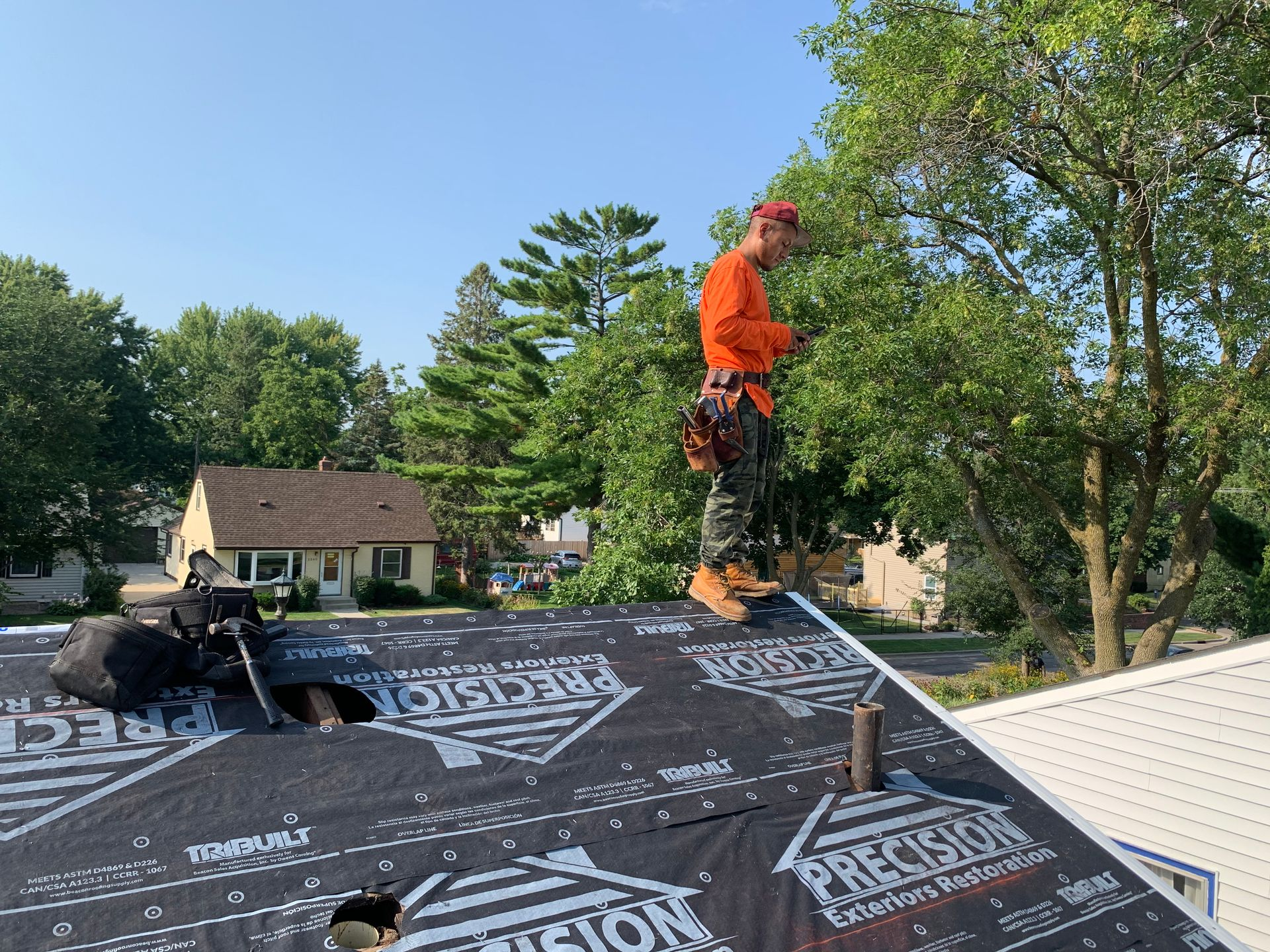
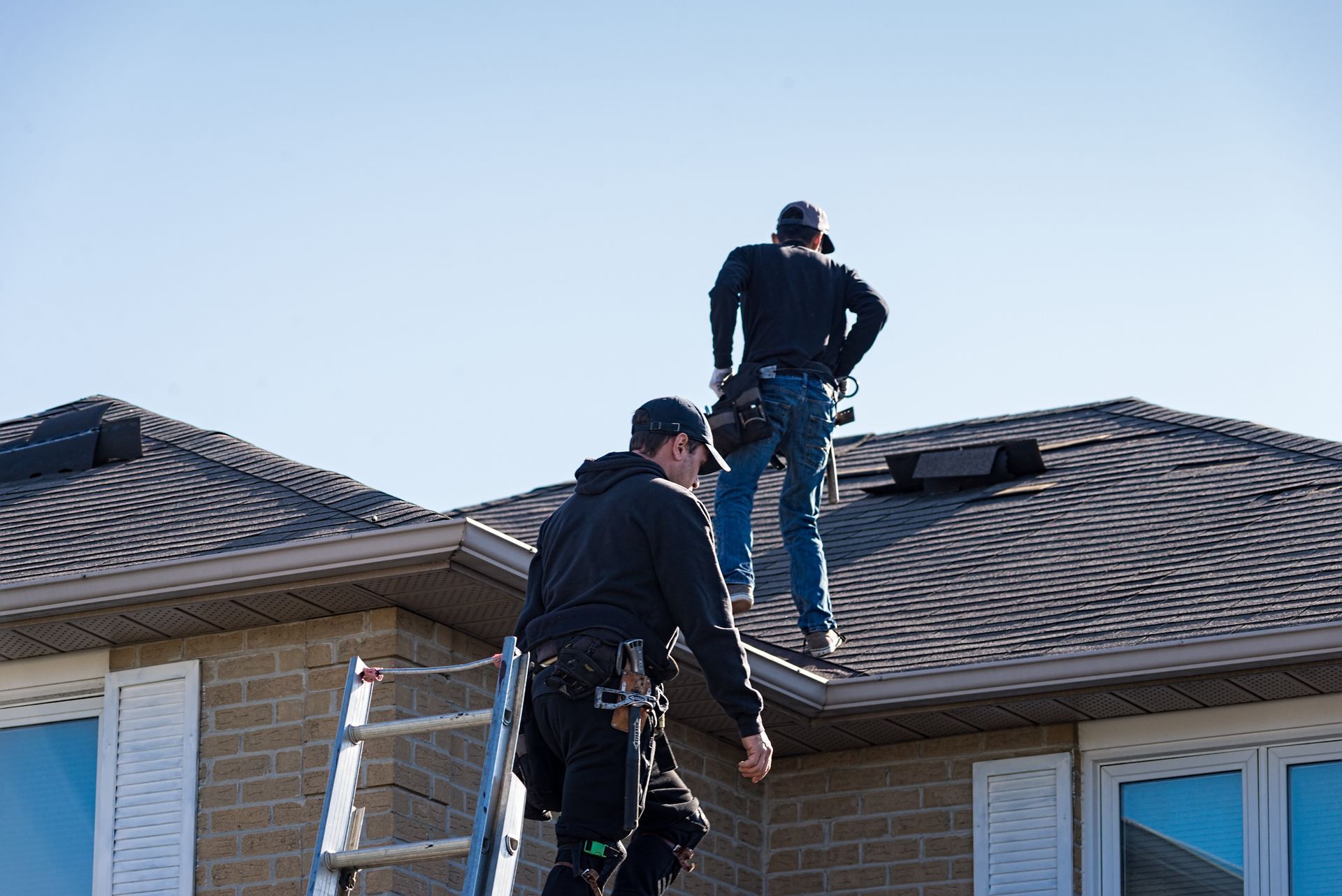
What Most Contractors Won’t Tell You: Insights from a Storm Restoration Expert Drawing from over a decade of experience as a licensed general contractor specializing in storm restoration, like the experts at Precision Exteriors, we've seen firsthand what truly protects a roof – and what often gets overlooked. As a leading roofing company , we understand that while many contractors aim for quality in their roofing service , some critical details can be glossed over, leading to homeowner misconceptions and costly mistakes down the line. Understanding these "hidden truths" is crucial for property owners to make informed decisions, ask the right questions, and ensure their investment is truly protected for the long term. From countless real inspections and repairs, we've identified common areas where property owners are often left in the dark. Being aware of these nuances can save you substantial money, prevent future headaches, and ensure your roof stands strong against the next severe weather event. The True Cost of Inadequate Ventilation: Homeowner Misconception : My attic has vents, so it's fine. Lesson Learned from the Field : It's not just about having vents; it's about achieving a *balanced* system of intake (e.g., soffit vents) and exhaust (e.g., ridge vents). We frequently find attics with insufficient intake, blocked soffit vents due to insulation, or an imbalance that creates dead air zones. This traps heat and moisture, leading to premature shingle blistering, warping, and even ice damming in winter – issues often *not* covered by shingle warranties. Many contractors, especially after a storm, focus solely on replacing damaged shingles and neglect to assess or correct underlying ventilation problems, setting the new roof up for early failure. Warranty Limitations and Voids: Homeowner Misconception: "My 30-year shingle warranty means my roof is covered for 30 years, no matter what." Lesson Learned from the Field : Shingle warranties are complex legal documents. They often prorate after a certain period, don't cover "acts of God" like hail (which is why your property insurance is paramount), or are easily voided by improper installation. We've seen homeowners unknowingly void warranties through DIY repairs or by contractors mixing incompatible materials. Crucially, many premium warranties require the *entire roofing system* (shingles, underlayment, ventilation, flashing) to be from the same manufacturer and installed precisely to their specifications. A reputable roofing company will thoroughly explain these conditions, or cuts corners on system components, is setting you up for a denied claim down the road. The Difference Between a Patch and a Permanent Repair: Homeowner Misconception: "A quick fix will hold until I can afford a full replacement." Lesson Learned from the Field: In storm restoration, a "patch" is often a temporary measure to stop active leaks *immediately* after a storm, preventing further interior damage. It is rarely a long-term solution. A true, permanent roof repair addresses the root cause of the damage, integrates seamlessly with the existing system, and restores the roof's integrity. We've encountered numerous cases where contractors performed superficial roof repair (e.g., slapping tar over a leak or replacing only a few visible shingles) that failed to address underlying structural damage or widespread storm impact. This can mask bigger issues, complicate future insurance claims, and lead to more extensive, costly damage later. A reputable storm restoration contractor will always provide clear options, distinguishing between temporary mitigation and durable, code-compliant repairs. The Importance of Underlayment and Flashing: Homeowner Misconception: "The shingles are the main waterproof barrier." Lesson Learned from the Field: While shingles shed water, the underlayment and precisely installed flashing are the *true* last lines of defense against water intrusion. These hidden components prevent leaks at the most vulnerable points of your roof. We frequently find field mistakes such as using cheap felt instead of synthetic underlayment, not installing ice-and-water shield in critical areas (valleys, eaves, around penetrations), or improper flashing installation around chimneys, skylights, and pipe vents. These are common leak points we identify in post-storm inspections, often due to rushed work or inexperienced installers. A quality contractor understands that these unseen elements are foundational to a roof's long-term integrity and storm resistance, ensuring a comprehensive roofing service . Frequently Asked Questions What should I look for when hiring a roofing contractor for storm restoration? When hiring a roofing contractor for storm restoration, prioritize experience and specialization in storm-related repairs. Check for proper licensing, insurance, and references from previous clients. It's essential to ask about their approach to assessing damage and their understanding of warranty implications. A reputable contractor should provide a detailed written estimate, explain the materials they will use, and outline the repair process. Additionally, ensure they are familiar with local building codes and regulations to guarantee compliance and quality workmanship. How can I maintain my roof to prevent storm damage? Regular roof maintenance is key to preventing storm damage. Schedule annual inspections to identify and address potential issues like loose shingles, damaged flashing, or clogged gutters. Keep trees trimmed to prevent branches from falling during storms. Ensure proper attic ventilation to reduce moisture buildup, which can weaken roofing materials. After severe weather, inspect your roof for any signs of damage and address them promptly. Investing in routine maintenance can extend the life of your roof and save you from costly repairs down the line. What are the signs that my roof needs immediate repair? Signs that your roof may need immediate repair include visible leaks, water stains on ceilings or walls, missing or damaged shingles, and sagging areas. If you notice granules from shingles in your gutters or a significant increase in energy bills, these could indicate underlying issues. Additionally, if your roof is over 20 years old, it’s wise to have it inspected regularly. Promptly addressing these signs can prevent more extensive damage and costly repairs in the future. Are there specific materials recommended for storm-resistant roofing? Yes, certain materials are better suited for storm-resistant roofing. Metal roofing is highly durable and can withstand high winds and hail. Asphalt shingles with a high impact resistance rating are also a popular choice. Additionally, synthetic underlayment and high-quality flashing materials can enhance a roof's ability to resist water intrusion. When selecting materials, consider local climate conditions and consult with a knowledgeable contractor to ensure you choose the best options for your specific needs. How does insurance coverage work for storm damage to roofs? Insurance coverage for storm damage to roofs typically depends on your policy type and the specific circumstances of the damage. Most homeowners' insurance policies cover damage from wind, hail, and other storm-related events, but exclusions may apply. It's crucial to review your policy details and understand your deductible. After a storm, document the damage with photos and contact your insurance company promptly to file a claim. A reputable contractor can assist in the claims process by providing necessary documentation and estimates. What is the role of ventilation in roof longevity? Ventilation plays a critical role in extending the longevity of your roof. Proper ventilation helps regulate temperature and moisture levels in the attic, preventing heat buildup that can damage shingles and reduce their lifespan. It also minimizes the risk of ice dams forming in winter, which can lead to leaks. A balanced ventilation system, including both intake and exhaust vents, is essential. Regularly checking and maintaining your ventilation system can help ensure your roof remains in optimal condition throughout its lifespan.