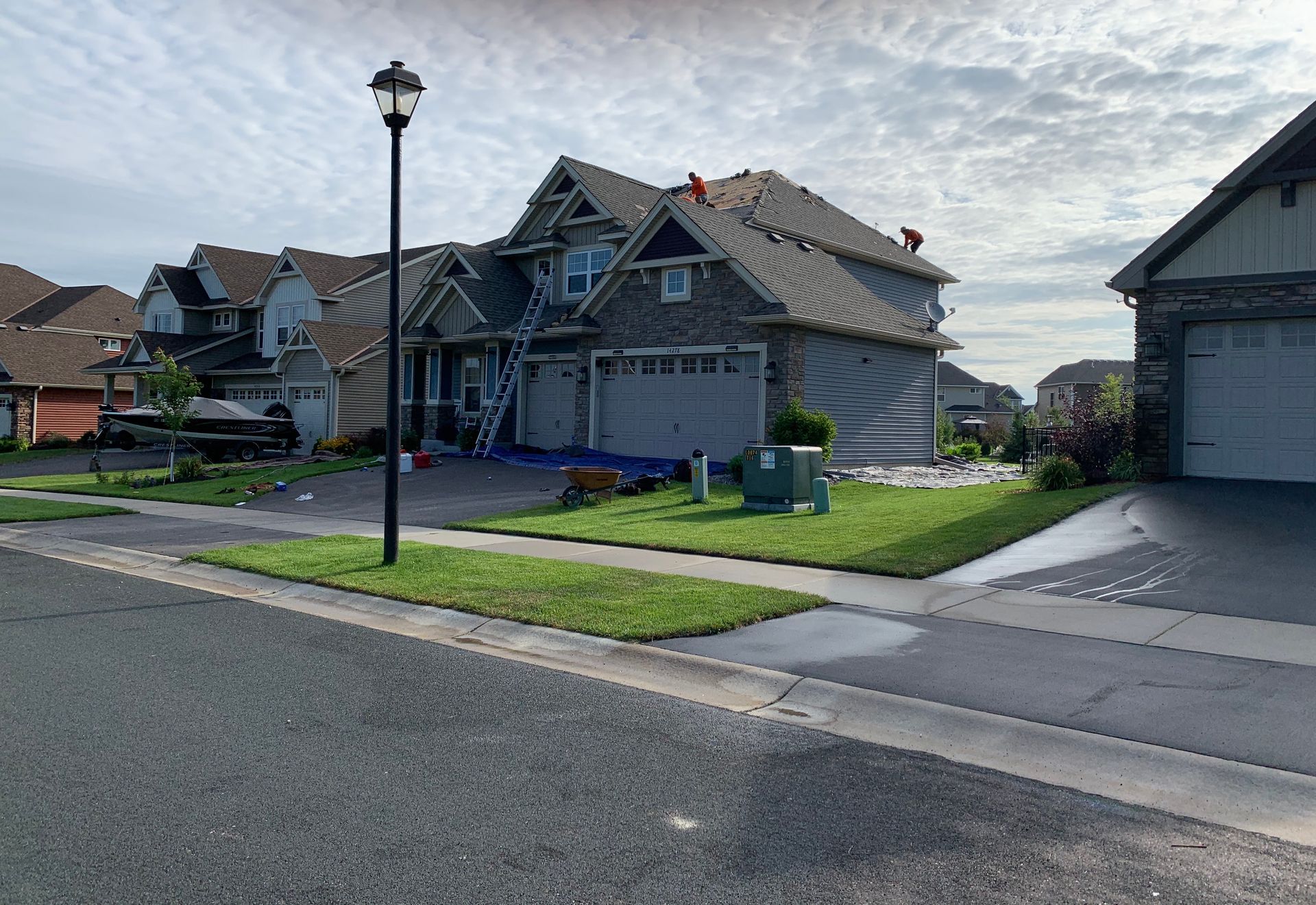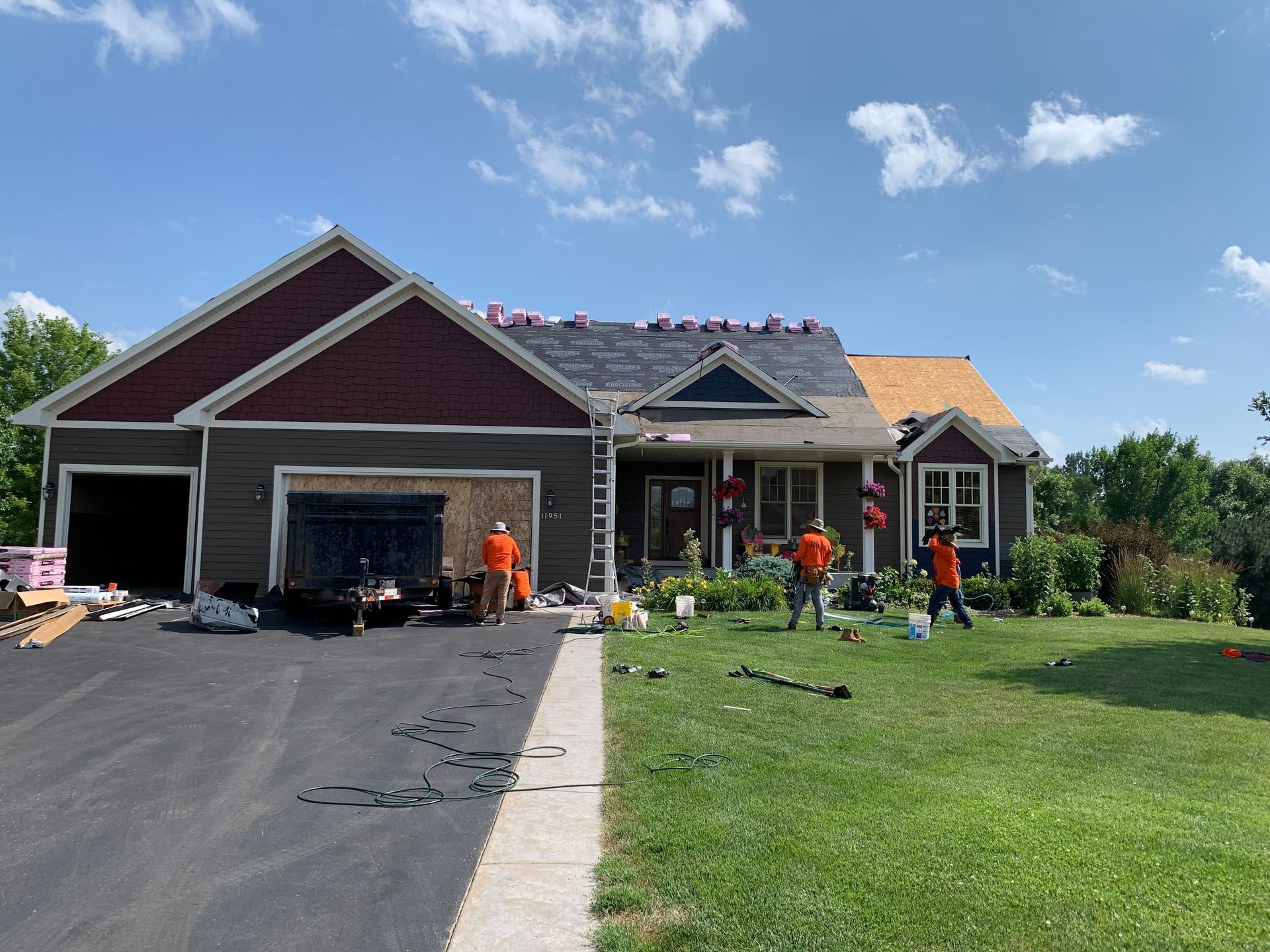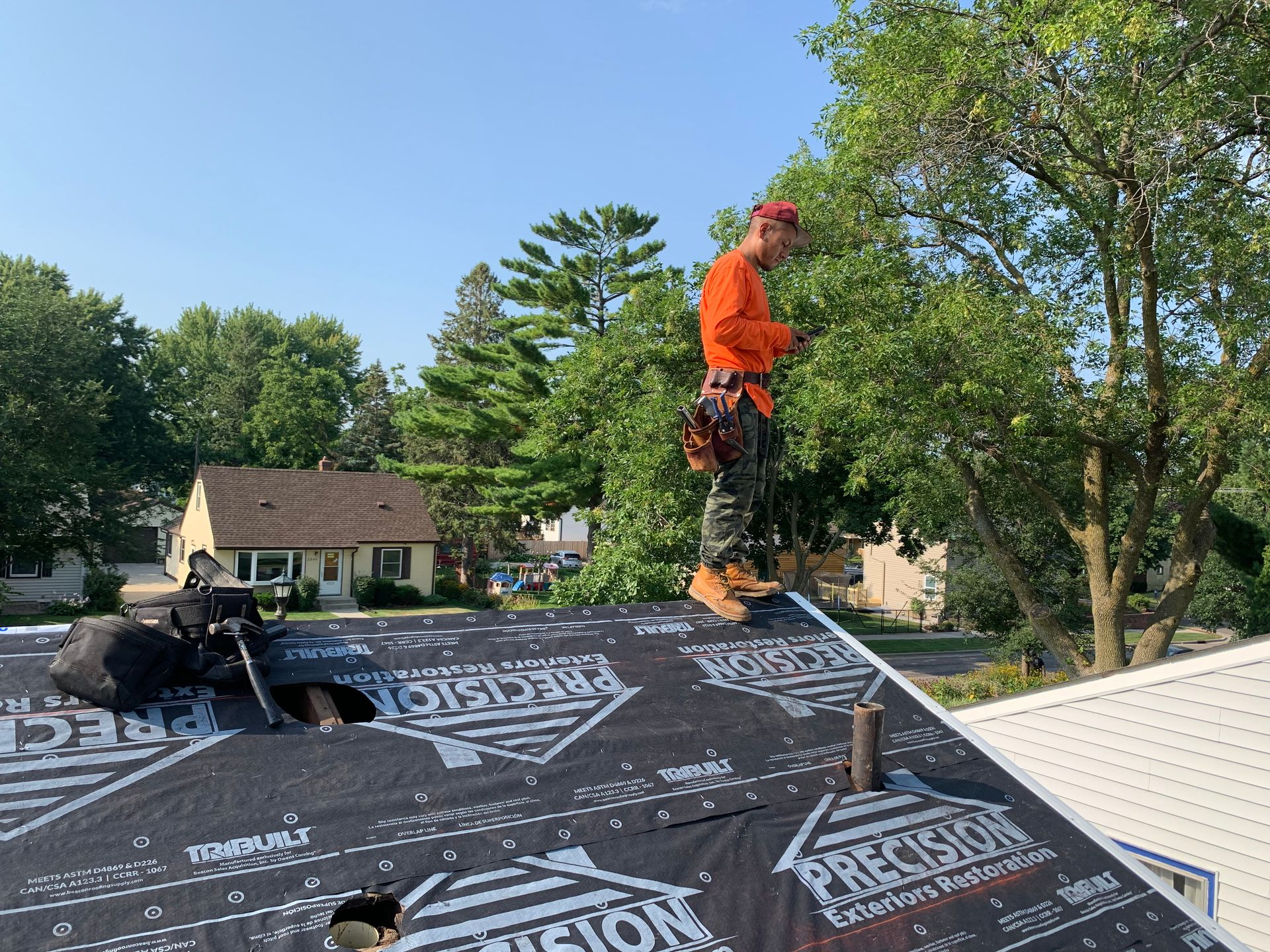
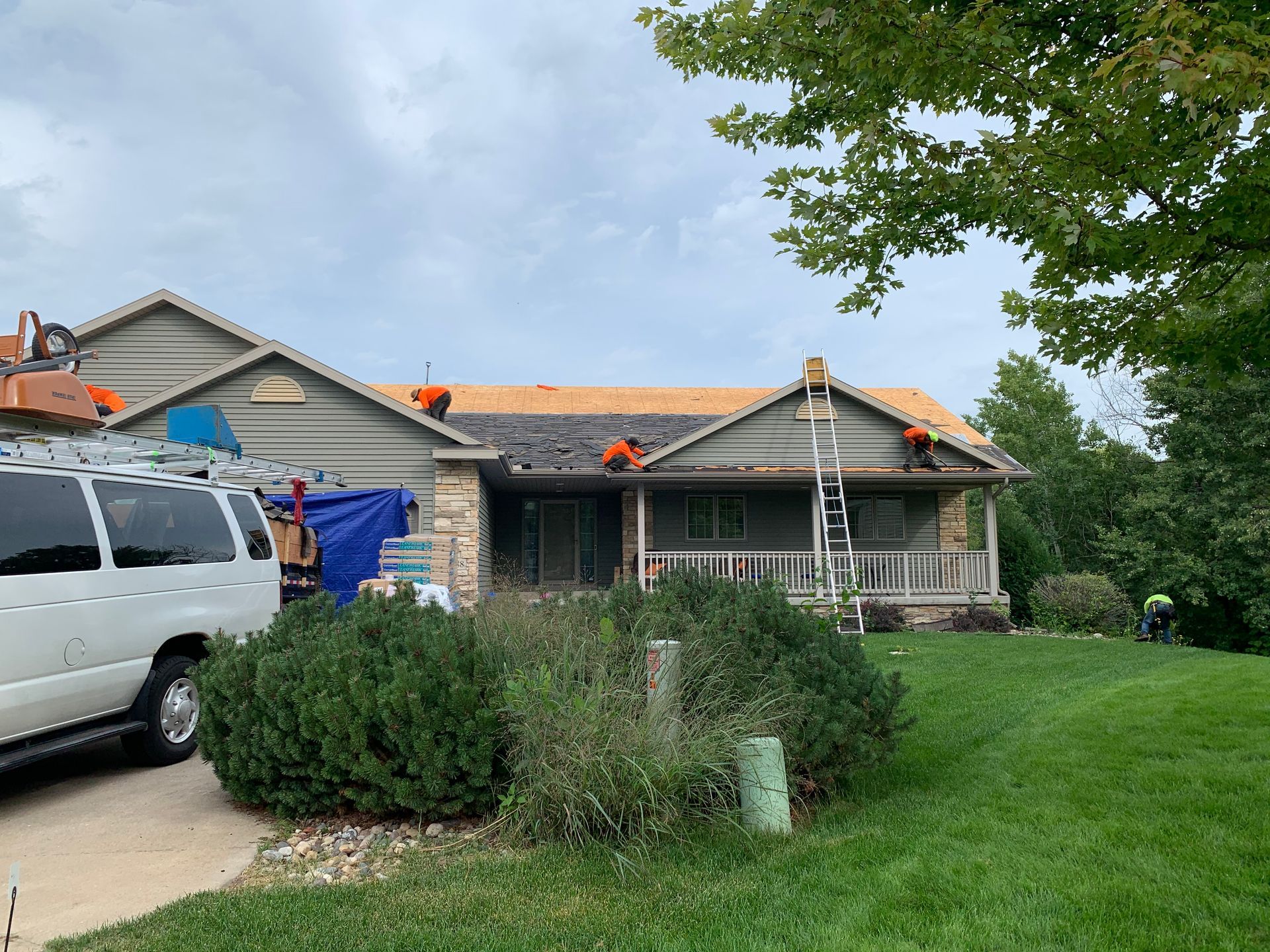
Facing a roofing emergency in Denver? Precision Exteriors Restoration provides 24/7 rapid response for storm damage, leaks, and structural issues across the Denver Metro area. With over 20 years of local expertise, we offer immediate temporary repairs and lasting permanent solutions, specializing in Front Range hailstorm, high-wind, and snow load damage. Trust our expert team for swift, reliable service and seamless insurance claim assistance.
A roofing emergency demands immediate action. In the Denver Metro area, unpredictable weather—from severe hailstorms to heavy snow—can cause critical roof damage. Precision Exteriors Restoration offers essential 24/7 emergency roof repair services for homeowners and property managers across Denver, Aurora, Lakewood, and surrounding Front Range communities. This guide defines roofing emergencies, details our repair process, outlines storm damage expertise, and explains costs and insurance coordination. Discover why we are Denver's trusted choice for urgent roofing needs.
What Defines a Roofing Emergency in Denver?
A roofing emergency is any situation threatening your roof's integrity and requiring urgent attention. In Denver, common causes include severe weather events like hailstorms, high winds, heavy snowfall, and rapid temperature swings. These conditions lead to leaks, structural compromise, or even partial roof failure if not addressed promptly. Recognizing these threats is crucial for protecting your property and ensuring safety.
Common Causes of Emergency Roof Damage: Hail, Wind, Snow, and Ice in the Front Range
Denver's unique Front Range climate contributes to specific roofing emergencies:
- Hail Damage: Frequent hailstorms cause significant impact damage to shingles, leading to cracks, granule loss, and immediate leaks.
- Wind Damage: High-wind events lift, tear off, or loosen shingles, exposing the underlying roof structure to further elements.
- Snow Load & Ice Dams: Heavy snow accumulation and subsequent ice dams create immense weight, risking structural collapse and water intrusion as snow melts.
- Rapid Temperature Swings: Freeze-thaw cycles exacerbate existing damage, causing materials to expand and contract, leading to cracks and leaks.
Understanding these local risks is vital for Denver homeowners to take proactive measures and respond effectively to damage.
How Does Our 24/7 Emergency Roof Repair Process Work in Denver?
Our emergency roof repair process is designed for swift, effective solutions to urgent roofing issues across the Denver Metro area. It begins with an immediate assessment to determine damage extent and necessary repairs. This crucial step allows our team to devise a plan addressing both immediate threats and long-term restoration needs.
Step-by-Step Emergency Response: Assessment to Permanent Repair
- Initial Assessment (Rapid Response): Our Denver-based team conducts a thorough, on-site inspection to identify all damage, assess safety risks, and document findings for insurance.
- Temporary Repairs (Immediate Mitigation): If necessary, we implement urgent temporary solutions to prevent further damage. This includes tarping active leaks, securing loose shingles, or shoring up compromised areas.
- Permanent Repairs (Lasting Restoration): Once immediate threats are mitigated, we proceed with comprehensive, permanent repairs. We restore your roof to its original condition or better, using high-quality materials suited for Denver's climate.
This structured approach ensures Denver homeowners receive comprehensive, expert care during stressful times, minimizing further property damage.
Rapid Deployment and Expert Team Advantages in Denver
A key advantage of Precision Exteriors Restoration is our rapid deployment capability across Denver, Aurora, Lakewood, and surrounding communities. With over 20 years of experience in the Front Range, our professionals are trained to respond quickly and effectively to local emergencies. This swift action mitigates damage, enhances safety, and provides peace of mind, knowing your roofing issues are handled by qualified, local experts.
Which Types of Storm Damage Roof Repairs Do We Handle in Denver?
At Precision Exteriors Restoration, we specialize in a full spectrum of storm damage roof repairs common to the Denver Metro area. Our expertise ensures every homeowner receives the specific, high-quality care needed for their unique situation.
Hail Damage and Wind Damage Roof Repair Services In Denver Metro
Hail and wind damage are our most frequent emergency calls in Denver. Our team is equipped to handle both minor and severe damage, including:
- Replacing missing or torn shingles.
- Repairing dents and punctures from hail impacts.
- Addressing leaks caused by compromised roofing materials.
- Restoring flashing and ventilation systems damaged by high winds.
We utilize high-quality, weather-resistant materials to ensure durable, long-lasting repairs against future Front Range storms.
Emergency Roof Leak and Fallen Debris Repair in Denver Metro
Emergency roof leaks demand immediate attention. Our Denver team is skilled in rapidly identifying leak sources and implementing effective repairs. Additionally, we safely remove fallen debris from storms—such as tree branches or displaced materials—ensuring your roof is cleared of hazards that could lead to further damage or structural strain.
Why Precision Exteriors Is Denver's 24/7 Emergency Roof Repair Expert
Choosing the right roofing contractor is paramount during an emergency. Precision Exteriors Restoration stands as Denver's authoritative choice for several compelling reasons, built on trust and proven local performance.
20+ Years of Local Experience and Quality Craftsmanship in Denver
With over 20 years of dedicated experience in the Denver Metro area, we have earned a reputation for unparalleled quality craftsmanship and reliable service. Our team deeply understands the unique challenges posed by the local climate—from intense hailstorms to heavy snow loads—and is equipped to handle any roofing emergency effectively. We prioritize using high quality materials and techniques that meet or exceed Denver's building codes, ensuring repairs are not only effective but also durable and long lasting.
Seamless Insurance Claim Assistance and Proven Denver Customer Testimonials
Navigating complex insurance claims can be daunting. Our team provides comprehensive assistance throughout the claims process, helping Denver clients understand their coverage, document damage thoroughly, and ensure they receive the support needed for a smooth resolution. We take immense pride in our extensive positive customer testimonials from homeowners across Denver, Aurora, and Lakewood, which reflect our unwavering commitment to quality service and complete customer satisfaction.
What Are the Costs and Insurance Considerations for Emergency Roof Repair in Denver?
Understanding the costs associated with emergency roof repair is essential for Denver homeowners. Various factors influence pricing, and being informed helps in budgeting and insurance coordination.
Factors Influencing Emergency Roof Repair Pricing in Denver
Several key factors affect the cost of emergency roof repairs in the Denver Metro area:
- Extent of Damage: More extensive damage, particularly structural issues or widespread material loss, typically requires more materials and labor, increasing costs.
- Type of Roofing Materials: Different roofing materials (e.g., asphalt shingles, metal, tile) have varying costs, directly impacting the overall repair price.
- Accessibility: Roofs that are difficult to access due to height, pitch, or surrounding landscaping may incur additional labor costs for safety and equipment.
- Urgency & Scope: Immediate temporary repairs to prevent further damage are often followed by more comprehensive permanent solutions.
Navigating Insurance Claims for Storm Damage Repairs in Denver
When dealing with storm damage in Denver, understanding your insurance policy is crucial. Homeowners should review their coverage to determine what repairs are included, especially regarding hail, wind, and snow damage. Precision Exteriors Restoration assists in documenting the damaged on the property to properly report claims, providing all necessary documentation, photos and expert assessments to facilitate a smooth and successful process with your insurance provider.
How Can Preventative Maintenance Reduce Future Emergency Roof Repairs in Denver?
Preventative maintenance is key to extending your roof's life and minimizing the need for emergency repairs in Denver's challenging climate. Regular inspections and proactive maintenance can identify potential issues before they escalate into costly emergencies.
Tips for Homeowners and Property Managers in Denver
- Schedule Regular Inspections: Have your roof professionally inspected at least once a year, especially after severe Front Range storms (hail, high winds, heavy snow), to catch potential problems early.
- Clear Debris: Regularly remove leaves, branches, and other debris from your roof and gutters to prevent water accumulation, rot, and ice dam formation.
- Maintain Gutters: Ensure gutters and downspouts are clean and functioning properly to direct water away from the roof and foundation, preventing water damage and ice buildup.
- Check for Shingle Damage: Periodically inspect for cracked, curled, or missing shingles, particularly after wind events.
Importance of Regular Roof Inspections and Maintenance in Denver
Regular inspections not only help identify minor issues but also provide peace of mind for Denver homeowners. By addressing small repairs promptly, you can avoid the stress and significant costs associated with emergency repairs. Investing in preventative maintenance is a proactive, cost-effective approach to roof care that pays off in the long run, protecting your investment against Denver's unpredictable weather.