Add your custom HTML here
Miguel Santos • January 16, 2026

As a senior, licensed roofing contractor with over a decade of hands-on experience serving the Denver Metro Area, I've seen firsthand how critical the decision between a roof repair and a full roof replacement can be. It's not just about cost; it's about your home's long-term safety, structural integrity, and protecting your investment against our unique Denver climate – from intense hailstorms and high winds to harsh freeze-thaw cycles and relentless sun exposure. This guide is built on real-world decision criteria and professional inspection standards, walking you through the key signs, typical costs, and the pros and cons of each option. We'll also cover how storm damage or insurance can change the equation, and why working with a trusted local Denver roofing contractor like Precision Exteriors Restoration is essential for a free roof inspection and estimate.


What are the key signs your roof needs attention from a Denver roofing contractor?


Spotting early warning signs is crucial to prevent small issues from escalating into major expenses. In Denver, common indicators include visible damage from hail or wind, active leaks, and general age-related deterioration exacerbated by our climate. Addressing these issues promptly protects your home, preserves its value, and can save you significant money over time.


How to identify roof damage from Denver's storms and normal wear


After severe weather, especially hailstorms or high winds common in the Denver area, it's vital to inspect your roof. Look for missing, cracked, or curled shingles, dents or impact marks (especially on metal components or asphalt shingles from hail), and loose or bent flashing. From a safe distance, use binoculars. If you see these signs—or experience repeated leaks—it's time for a professional hail damage roof inspection or general roof repair Denver assessment. Ignoring these can lead to more extensive storm damage roof repair needs.


When is a roof repair enough, and when should you consider a full roof replacement Denver?


From a professional standpoint, if damage is isolated to a small area—like a few missing shingles or an isolated leak—a targeted roof repair Denver will often suffice. However, if your roof is nearing the end of its expected lifespan (asphalt shingles commonly last 20–25 years, but Denver's climate can shorten this), or if damage is widespread across multiple sections, a full roof replacement Denver usually makes more sense long-term. We always consider the cumulative effect of ongoing repair costs and the likelihood of recurring problems when advising on this critical decision.


How do roof repair and roof replacement costs compare in Denver?


Understanding typical costs helps you plan effectively. Roof repair Denver prices vary significantly based on the extent and type of damage, while roof replacement cost depends on material choice, roof size, and complexity.


What affects roof repair cost in the Denver Metro Area?


Local material prices, specialized labor rates for our region, roof complexity (e.g., steep pitches, multiple valleys common in Denver architecture), and the extent of the damage all affect the final roof repair Denver cost. Repairs requiring premium, impact-resistant materials or involving tricky rooflines will naturally raise the price. We factor all these variables into every estimate to give you a clear, transparent picture.


How to budget for an affordable roof replacement — and use free estimate offers


As a seasoned
Denver roofing contractor, I always recommend getting at least two or three written estimates to compare scope, materials, and price. Reputable companies, like Precision Exteriors Restoration, offer a free roof inspection and estimate. This allows you to see realistic numbers without pressure, ensuring you can make an informed choice that fits your budget and protects your home for years to come.


What are the pros and cons of roof repair versus replacement?


Both options have clear benefits and trade-offs. The right choice depends on your roof’s current condition, your long-term plans for the home, and critical cost considerations.


Benefits and limitations of roof repair


Repairs are typically faster and less expensive upfront, and they can effectively extend your roof’s usable life when damage is truly limited. However, repairs can be a short-term fix if the roof is old, has widespread damage, or has experienced multiple storm events. This can lead to repeat visits, accumulating costs, and potentially compromising your roof's overall warranty and performance.


When roof replacement is the smarter long-term decision


A full
roof replacement Denver is often the best route when your roof is old, heavily damaged (especially from hail or wind), or when you want to significantly improve curb appeal and energy efficiency. While it requires a larger initial investment, a new roof drastically reduces future roof repair Denver expenses, improves resale value, and delivers superior insulation and protection against Denver's harsh climate, often coming with a new, comprehensive warranty.


Which roofing materials are best for replacement in Denver?


Choosing the right material is paramount for durability, cost, and appearance, especially given Denver's climate. Consider lifespan, maintenance needs, and how the material performs against hailstorms, high winds, and intense UV exposure.


How different roofing materials impact lifespan and performance in Denver?


Standard asphalt shingles are cost-effective and easy to install, with lifespans around 20–30 years, though impact-resistant options are highly recommended for Denver's hail. Metal roofing lasts 40–70 years, offers strong energy performance, and is excellent for hail resistance. Tile roofs are pricier but very durable—often 50 years or more—and provide a distinct aesthetic. We help you pick the material that matches your budget, long-term goals, and provides optimal protection for your Denver home.


Energy-efficient roofing options for Denver homes


Reflective shingles and metal roofs can significantly lower cooling costs by reflecting sunlight and reducing heat gain during our hot Denver summers. For Denver’s climate, energy-efficient choices help keep homes more comfortable year-round, reduce utility bills, and contribute to a more sustainable home.

How does storm damage change roof repair vs. replacement decisions in Denver?


Storm damage, particularly from hail and high winds, can quickly push a repairable roof into roof replacement Denver territory. The right move depends critically on the damage severity, the roof’s age, and the risk of future problems, often involving insurance.


Common storm damage signs that need immediate attention in Denver


After a storm, look for missing or torn shingles, active leaks, broken flashing, and visible sagging. Specifically, for hail, look for circular impact marks on shingles, gutters, and vents. For wind, check for creased or lifted shingles. These issues can quickly worsen, leading to interior damage, so call a professional Denver roofing contractor for an inspection as soon as it’s safe.


How to handle insurance claims after storm-related roof damage


Document all damage with clear photos and contact your insurance company promptly. As your Denver roofing contractor, we specialize in storm damage roof repair and can provide a detailed report and work directly with your adjuster. Our expertise ensures proper documentation and helps you navigate the claims process to secure the right coverage for necessary repairs or a full roof replacement Denver.


What is the free roof inspection and estimate process at Precision Exteriors Restoration?


Knowing what to expect from a professional inspection helps homeowners feel confident about the next steps. Our free roof inspection process is straightforward, thorough, and focused on clear, honest recommendations.


How a professional inspection decides between roof repair and replacement


During our free roof inspection, we meticulously inspect every component: the roof’s surface for granular loss, impact marks, and wind damage; flashing around chimneys and vents; attic ventilation; and the overall structural condition. We look for leaks, rot, and material wear to determine whether a targeted roof repair Denver will truly restore integrity and extend lifespan, or if a full roof replacement Denver is the safer, more cost-effective long-term choice for your home.


What to expect during your free estimate appointment


During your free roof inspection and estimate, we’ll review all findings with you, explain your options in detail, discuss material choices, and outline all associated costs. You’ll receive a clear, written estimate with no hidden fees, empowering you to compare options and make the best decision for your home and budget with confidence.


Frequently Asked Questions from Denver Homeowners


What is the average lifespan of different roofing materials in Denver's climate?


Lifespans vary: standard asphalt shingles typically last 15–25 years in Denver due to weather, impact-resistant asphalt 20–30 years, metal roofs 40–70 years, and tile roofs 50+ years. When choosing a material, consider upfront roof replacement cost, maintenance, and how long you plan to stay in the home, always factoring in our local climate challenges.


How can I tell if my roof needs immediate attention?


Signs that need prompt action include active leaks, missing or severely damaged shingles (especially after a storm), visible sagging roof areas, and water stains inside the house. After bad weather, schedule a hail damage roof inspection quickly to avoid bigger, more costly problems.


What are the environmental impacts of roof replacement?


Roof replacement does create waste, but choosing recyclable or longer-lasting materials—like metal or recycled shingles—and improving insulation can significantly reduce long-term environmental impact. Energy-efficient roofing also lowers utility use over the roof’s life, contributing to a greener home.


How do I choose a reliable Denver roofing contractor?


Always check local reviews, verify licensing and insurance, and ensure they have a strong track record in storm damage roof repair and roof replacement Denver. Ask for multiple estimates, references, and examples of past work. A trustworthy Denver roofing contractor provides a clear contract listing scope, materials, timeline, and warranty details.


What financing options are available for roof replacement?


Options include personal loans, home equity loans, credit cards, and contractor financing plans. Some programs support energy-efficient upgrades. We can discuss options during your free roof inspection to help you find a plan that fits your budget.


How can I maintain my roof to extend its lifespan in Denver?


Schedule yearly inspections (especially after storm season), keep gutters clear of debris, trim overhanging branches, and ensure proper attic ventilation. Routine maintenance catches small issues before they turn into costly roof repair Denver needs.


What should I do if my roof is damaged during a storm?


First, prioritize safety—never climb onto a damaged roof. Photograph the damage extensively, make temporary tarp repairs if needed to stop active leaks, contact your insurance company, and immediately arrange a professional hail damage roof inspection from a trusted Denver roofing contractor to evaluate storm damage roof repair or replacement needs.


Conclusion


Quick Summary for Denver Homeowners:


If your roof has limited damage, targeted repairs may be enough. Older roofs or widespread storm damage often require replacement. Cost, roof age, materials, and future storm risk should guide the decision.

Ultimately, the decision between a roof repair and a full roof replacement is a significant one for any Denver homeowner. As a seasoned professional, my goal is to empower you with clear, factual information, grounded in real-world experience and the specific challenges of our local climate. Understanding the warning signs, the nuances of cost, and the long-term implications for your home's safety, value, and warranty is paramount. Making an informed choice, guided by a thorough professional assessment, ensures your home remains protected for years to come. If you're facing this decision, consider reaching out for a comprehensive roof inspection to gain clarity on the best path forward for your property.
By Miguel Santos January 16, 2026
As a senior, licensed Denver roofing contractor with over a decade of hands-on experience, I've seen firsthand how quickly a minor roof issue can escalate into a major emergency, especially with Denver's unpredictable weather. From sudden hail storms and high-wind events to intense sun exposure and relentless freeze-thaw cycles, our roofs face unique challenges. This guide is designed to provide Denver homeowners with clear, practical guidance on identifying roof emergencies, understanding the benefits of energy-efficient roofing systems, and navigating storm damage restoration with confidence. We'll cover the critical warning signs, immediate actions to limit harm, and how Precision Exteriors Restoration provides reliable Denver emergency roof repair, comprehensive storm damage solutions, and expert insurance support around the clock. Understanding Roof Emergencies in Denver — When Immediate Action Is Crucial A roof emergency is any issue that compromises your home’s structural integrity, allows immediate water intrusion, or poses a safety risk. For Denver homeowners, this often means heavy leaks, significant sections of missing shingles, or visible structural damage following a severe weather event. Acting quickly is critical. Delaying emergency roof repairs can lead to extensive secondary damage from water, mold, and ongoing weather exposure, making repairs more complex and costly. This is why having access to reliable 24/7 roof repair in Denver is essential when storms strike. Professional Evaluation: Common Signs of Emergency Roof Damage Active leaks or water stains on ceilings or walls: Active leaks or spreading water stains are clear indicators that moisture is entering your home and require immediate professional attention to prevent mold, rot, and interior damage. Missing, cracked, or curled shingles after wind or hail: Missing or damaged shingles often occur after high-wind events. When shingles are cracked, curled, or completely missing, the protective barrier of your roof is compromised and vulnerable to water intrusion. Visible structural problems such as sagging or bowed rooflines: Visible structural issues, such as sagging rooflines or bowed rafters, may signal serious structural damage and should be evaluated immediately to ensure the safety of your home. Punctures or impact damage from hail or falling debris: Impact damage from hail or debris can puncture roofing materials and create direct entry points for water, even if the damage appears minor from the ground. Denver’s Climate: How Storms Create Urgent Roof Problems Denver’s unique climate creates ongoing challenges for roofing systems. Severe hail storms can bruise shingles, dent flashing, and compromise the protective granules that shield roofs from ultraviolet exposure. High-wind events frequently lift or tear shingles, exposing vulnerable underlayment layers. Beyond storms, intense sun exposure accelerates material degradation, while repeated freeze-thaw cycles can widen existing cracks and lead to ice dam formation during winter. These climate conditions make proactive maintenance and timely storm damage roof repair essential for Denver homeowners. A professional hail damage roof inspection after major storms is always recommended. Precision Exteriors: Your Partner for 24/7 Emergency Roof Repair in Denver When a roofing emergency strikes, you need a reliable, local expert. Precision Exteriors Restoration is committed to providing prompt and professional Denver emergency roof repair services, ensuring your home is secured quickly and correctly. Our 24/7 Emergency Response — A Contractor’s Step-by-Step Approach Immediate contact and remote assessment to gather critical information and guide initial safety steps: Call us anytime. Our experienced team will guide you through immediate safety steps and gather crucial information to prepare for an on-site damage assessment. Rapid crew dispatch and emergency stabilization to prevent further water intrusion or damage: A trained and equipped crew is dispatched swiftly to your location. Our priority is to stabilize the roof, prevent further water intrusion, and mitigate ongoing damage through temporary measures like tarping. Permanent emergency repairs with full documentation and follow-up inspections: Once stabilized, we proceed with permanent emergency repairs, meticulously documenting all work for insurance purposes. We also schedule follow-up checks to ensure the repairs hold up against Denver's elements. The Critical Role of Emergency Tarping Emergency tarping is a vital first line of defense. It's a temporary, yet highly effective, measure to stop ongoing water intrusion and protect your home's interior and contents until permanent roof repair Denver can be completed. From a contractor's perspective, it's a cost-effective way to limit the scope of damage, buy time for insurance adjusters to inspect, and prevent secondary issues like mold growth or structural rot. Enhancing Your Home: Energy-Efficient Roofing Systems Beyond emergency repairs, many Denver homeowners are increasingly interested in upgrading to energy-efficient roofing systems. These systems are designed not only to protect your home but also to significantly improve its thermal performance, leading to substantial lower energy bills and a more comfortable living environment year-round. As experienced contractors, we understand the nuances of integrating these solutions effectively. How Energy-Efficient Roofing Works in Denver's Climate Energy-efficient roofing utilizes specialized materials and integrated systems to reduce heat transfer through your roof. This is particularly beneficial in Denver, where intense summer sun can superheat attics and winter cold can lead to significant heat loss. Key components include: Cool Roof Materials : These materials, such as reflective shingles or coatings, reflect more sunlight and absorb less heat than traditional roofing, keeping your attic and home cooler in summer. Advanced Underlayments : Modern underlayments offer superior insulation and moisture protection, contributing to the overall thermal envelope. Optimized Attic Insulation : Proper attic insulation is crucial. We assess and upgrade insulation levels to meet or exceed current energy codes, preventing heat from escaping in winter and entering in summer. Effective Attic Ventilation : Balanced attic ventilation , including soffit and ridge vents, allows hot, moist air to escape in summer and prevents moisture buildup in winter. This not only improves energy efficiency but also extends the lifespan of your roof by preventing premature material degradation. By combining these elements, an energy-efficient roof system creates a more stable indoor temperature, reducing the workload on your HVAC system and directly contributing to lower energy bills . Comprehensive Storm Damage Repair Options Available in Denver Our expertise extends to all forms of storm damage roof repair , ensuring your roof is restored to its pre-loss condition or better, with an eye towards long-term resilience. Hail Damage — Our Assessment and Repair Protocols A thorough hail damage roof inspection is the first critical step. We meticulously identify bruised shingles, dented flashing, compromised gutters, and other roof components affected by hail. Our repair approach is tailored to the severity and scope of damage: Detailed Damage Assessment : We use industry-standard methods to document all dents, punctures, and weakened areas that affect the roof's performance and lifespan. This documentation is vital for insurance claims. Strategic Repair Approach : Depending on findings, repairs can range from spot shingle replacements to a full roof replacement when damage is widespread and compromises the entire system. Transparent Cost Guidance : We provide clear explanations of likely costs, repair options, and material choices, helping you make informed decisions that align with your budget and long-term goals. Wind Damage and Leak Solutions High winds are a common culprit for roof damage in Denver, often lifting shingles and exposing the roof deck to leaks. Our approach includes: Precise Wind Damage Diagnosis : We inspect for lifted, missing, or loose shingles, paying close attention to vulnerable areas like eaves, rakes, and around penetrations. We also check flashings and vents for integrity. Targeted Repair Choices : Solutions involve re-securing or replacing damaged shingles, reinforcing flashings, and sealing any vulnerable areas to prevent future leaks. Long-Term Protection Recommendations : We advise on wind-resistant materials and installation techniques, such as enhanced nailing patterns, to reduce the risk of future wind damage. Navigating Insurance Claims After Emergency Roof Damage Dealing with insurance claims can be daunting. As your local Denver roofing contractor , we act as your advocate, guiding you through the process to ensure your claim runs smoothly and covers what it should, protecting your warranties and insurance eligibility. How Precision Exteriors Helps with Your Claim Our support is designed to simplify the claims process for you: Comprehensive Documentation Help : We provide detailed photos, inspection notes, and accurate repair estimates to substantiate your claim, ensuring all damage is accounted for. Expert Insurer Communication : We'll communicate directly with adjusters as needed, clarifying the scope of damage and proposed repairs based on our professional assessment. Maximizing Coverage : Our team helps you understand your policy details, pointing out coverable damage and ensuring you receive the best available settlement for your roof repair Denver . Steps to Improve the Chances Your Storm Damage Is Covered Document Everything Immediately : Take clear, timestamped photos and detailed notes of all visible damage right after the storm. This provides crucial evidence. Understand Your Policy : Review your coverage limits, deductibles, and any exclusions related to storm damage. Knowing your policy empowers you. File Promptly : Submit your claim as quickly as possible. Delays can complicate processing and approvals, potentially impacting your coverage. Why Denver Homeowners Trust Precision Exteriors for Emergency Repairs and Energy-Efficient Solutions Choosing the right local Denver roofing contractor is critical for protecting your investment, ensuring long-term roof durability, and maintaining warranties. Our commitment to quality and local expertise sets us apart. Experience and Certifications That Back Our Work With over 20 years in exterior restoration, Precision Exteriors Restoration brings seasoned crews, certified installers, and adherence to industry-standard practices to every project. Our extensive experience means faster, more reliable Denver emergency roof repair , expert installation of energy-efficient roofing systems, and fewer surprises for homeowners. We are fully licensed and insured, providing peace of mind that your roof is in capable hands. What Customers Say About Our Response and Quality Client feedback consistently highlights our prompt arrival, clear communication, and thorough, lasting repairs. Homeowners across the Denver Metro Area rely on us for quick stabilization after storms and for durable, energy-saving solutions that stand up to our climate. Our local reputation is built on trust and consistent quality. Frequently Asked Questions from Denver Homeowners What should I do right after I find roof damage? First, prioritize safety. If the damage poses an immediate risk, move to a safe area and call a professional like Precision Exteriors for 24/7 roof repair Denver . Photograph the damage extensively for insurance, avoid walking on the roof, and if you can safely do so, temporarily tarp exposed areas to limit water intrusion until our team arrives. How can I reduce the chance of future roof emergencies and achieve lower energy bills? Regular maintenance is key. Schedule annual professional inspections, keep gutters clear, trim overhanging branches, and consider upgrading to impact- or wind-resistant roofing materials. Investing in proper attic insulation and balanced attic ventilation as part of an energy-efficient roofing system will not only prevent many emergencies but also significantly contribute to lower energy bills . Do I need to change how I care for my roof each season in Denver? Absolutely. In spring, check for winter wear and clear debris. Use summer to make any needed repairs and confirm good attic ventilation. In fall, clean gutters thoroughly and secure loose shingles before winter. In winter, watch for ice dams and ensure your insulation is sufficient to prevent heat loss that can exacerbate roof problems. What happens if I delay roof repairs? Delaying roof repair Denver allows water and weather to worsen the damage exponentially. This can lead to structural rot, dangerous mold growth, compromised insulation, and significantly higher repair bills. Prompt repairs protect your home’s value, prevent larger safety issues, and preserve your insurance eligibility. How do I choose the right contractor for emergency roof work and energy-efficient upgrades? Look for licensed, insured contractors with strong local reviews and extensive experience handling both emergencies and energy-efficient roofing . Ask for local references, ensure they provide clear, detailed estimates, and confirm warranties on both materials and labor. Good communication, transparency, and a deep understanding of Denver's climate are non-negotiable. What should I expect during the repair process? Expect an initial, thorough inspection, a clear repair plan, and an estimated timeline. Emergency work often begins with immediate tarping and stabilization, followed by permanent repairs or replacements. We always schedule a follow-up inspection to confirm the repair’s effectiveness and address any remaining concerns, ensuring your satisfaction and the longevity of our work. How quickly can emergency roof repairs be scheduled? Our commitment to 24/7 roof repair Denver means we aim to respond and schedule emergency service within 24 hours of your call. We understand that when time matters most, rapid deployment is crucial. What costs should I expect for emergency roof repairs or energy-efficient upgrades? Costs depend on damage severity, chosen materials (especially for energy-efficient options), and whether permanent repairs or a full replacement are needed. We provide transparent, detailed pricing during the assessment so you can make an informed decision before any work begins, ensuring no hidden surprises. Conclusion As your trusted local Denver roofing contractor , I emphasize that prompt action after roof damage protects your home, preserves its value, and significantly reduces long-term costs. Precision Exteriors Restoration offers Denver homeowners 24/7 emergency roof repair , experienced crews, and expert assistance with insurance claims, ensuring repairs are handled quickly and correctly. Furthermore, we specialize in energy-efficient roofing solutions, including optimizing attic insulation and attic ventilation , to help you achieve lower energy bills and a more resilient home. If a storm has left you with roof damage, or if you're considering an energy-efficient upgrade, contact us right away – we’ll secure your home and guide you through every step with professional expertise.
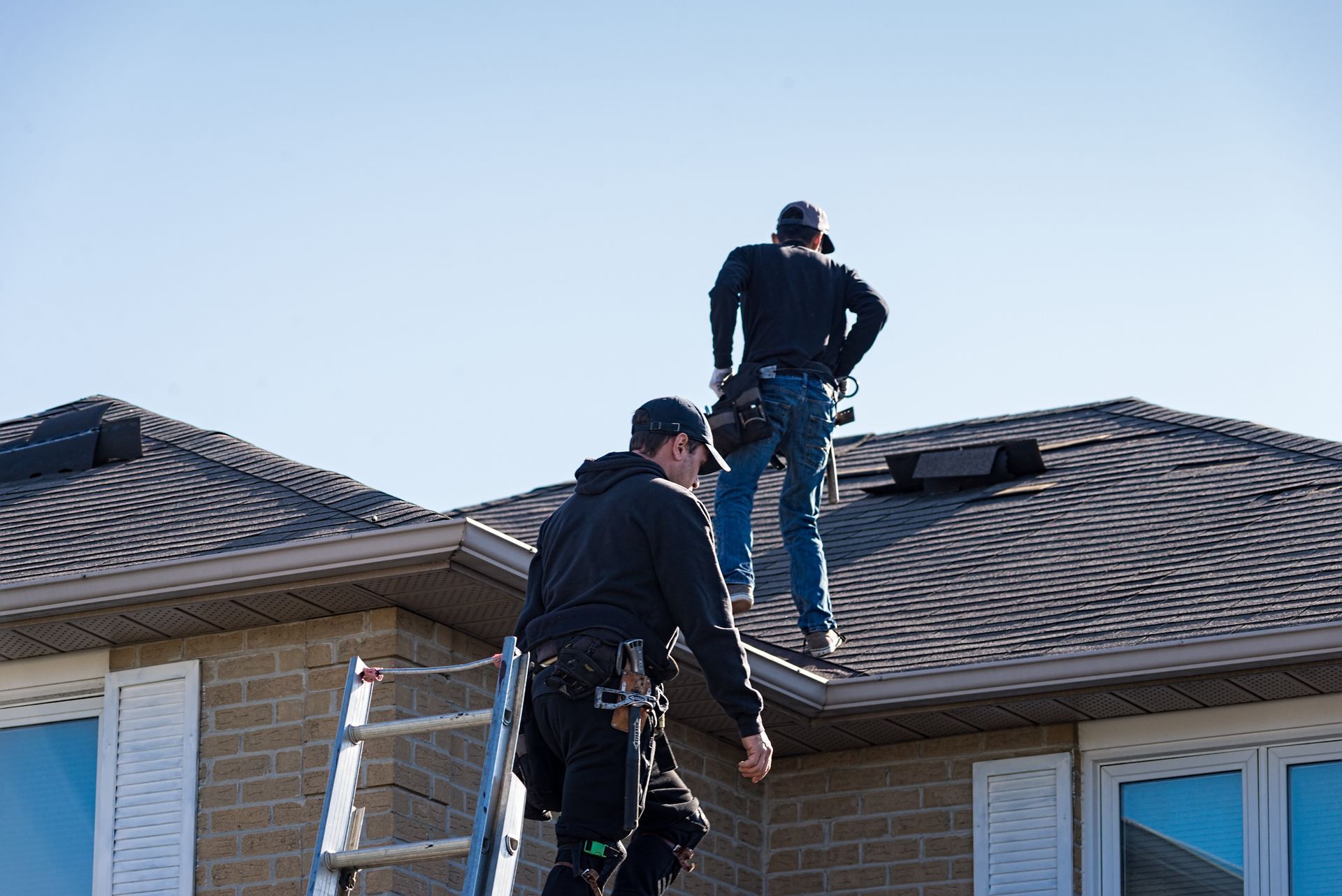
Contractor inspecting roof damage.
By Miguel Santos January 12, 2026
What Most Contractors Won’t Tell You: Insights from a Storm Restoration Expert Drawing from over a decade of experience as a licensed general contractor specializing in storm restoration, like the experts at Precision Exteriors, we've seen firsthand what truly protects a roof – and what often gets overlooked. As a leading roofing company , we understand that while many contractors aim for quality in their roofing service , some critical details can be glossed over, leading to homeowner misconceptions and costly mistakes down the line. Understanding these "hidden truths" is crucial for property owners to make informed decisions, ask the right questions, and ensure their investment is truly protected for the long term. From countless real inspections and repairs, we've identified common areas where property owners are often left in the dark. Being aware of these nuances can save you substantial money, prevent future headaches, and ensure your roof stands strong against the next severe weather event. The True Cost of Inadequate Ventilation: Homeowner Misconception : My attic has vents, so it's fine. Lesson Learned from the Field : It's not just about having vents; it's about achieving a *balanced* system of intake (e.g., soffit vents) and exhaust (e.g., ridge vents). We frequently find attics with insufficient intake, blocked soffit vents due to insulation, or an imbalance that creates dead air zones. This traps heat and moisture, leading to premature shingle blistering, warping, and even ice damming in winter – issues often *not* covered by shingle warranties. Many contractors, especially after a storm, focus solely on replacing damaged shingles and neglect to assess or correct underlying ventilation problems, setting the new roof up for early failure. Warranty Limitations and Voids: Homeowner Misconception: "My 30-year shingle warranty means my roof is covered for 30 years, no matter what." Lesson Learned from the Field : Shingle warranties are complex legal documents. They often prorate after a certain period, don't cover "acts of God" like hail (which is why your property insurance is paramount), or are easily voided by improper installation. We've seen homeowners unknowingly void warranties through DIY repairs or by contractors mixing incompatible materials. Crucially, many premium warranties require the *entire roofing system* (shingles, underlayment, ventilation, flashing) to be from the same manufacturer and installed precisely to their specifications. A reputable roofing company will thoroughly explain these conditions, or cuts corners on system components, is setting you up for a denied claim down the road. The Difference Between a Patch and a Permanent Repair: Homeowner Misconception: "A quick fix will hold until I can afford a full replacement." Lesson Learned from the Field: In storm restoration, a "patch" is often a temporary measure to stop active leaks *immediately* after a storm, preventing further interior damage. It is rarely a long-term solution. A true, permanent roof repair addresses the root cause of the damage, integrates seamlessly with the existing system, and restores the roof's integrity. We've encountered numerous cases where contractors performed superficial roof repair (e.g., slapping tar over a leak or replacing only a few visible shingles) that failed to address underlying structural damage or widespread storm impact. This can mask bigger issues, complicate future insurance claims, and lead to more extensive, costly damage later. A reputable storm restoration contractor will always provide clear options, distinguishing between temporary mitigation and durable, code-compliant repairs. The Importance of Underlayment and Flashing: Homeowner Misconception: "The shingles are the main waterproof barrier." Lesson Learned from the Field: While shingles shed water, the underlayment and precisely installed flashing are the *true* last lines of defense against water intrusion. These hidden components prevent leaks at the most vulnerable points of your roof. We frequently find field mistakes such as using cheap felt instead of synthetic underlayment, not installing ice-and-water shield in critical areas (valleys, eaves, around penetrations), or improper flashing installation around chimneys, skylights, and pipe vents. These are common leak points we identify in post-storm inspections, often due to rushed work or inexperienced installers. A quality contractor understands that these unseen elements are foundational to a roof's long-term integrity and storm resistance, ensuring a comprehensive roofing service . Frequently Asked Questions What should I look for when hiring a roofing contractor for storm restoration? When hiring a roofing contractor for storm restoration, prioritize experience and specialization in storm-related repairs. Check for proper licensing, insurance, and references from previous clients. It's essential to ask about their approach to assessing damage and their understanding of warranty implications. A reputable contractor should provide a detailed written estimate, explain the materials they will use, and outline the repair process. Additionally, ensure they are familiar with local building codes and regulations to guarantee compliance and quality workmanship. How can I maintain my roof to prevent storm damage? Regular roof maintenance is key to preventing storm damage. Schedule annual inspections to identify and address potential issues like loose shingles, damaged flashing, or clogged gutters. Keep trees trimmed to prevent branches from falling during storms. Ensure proper attic ventilation to reduce moisture buildup, which can weaken roofing materials. After severe weather, inspect your roof for any signs of damage and address them promptly. Investing in routine maintenance can extend the life of your roof and save you from costly repairs down the line. What are the signs that my roof needs immediate repair? Signs that your roof may need immediate repair include visible leaks, water stains on ceilings or walls, missing or damaged shingles, and sagging areas. If you notice granules from shingles in your gutters or a significant increase in energy bills, these could indicate underlying issues. Additionally, if your roof is over 20 years old, it’s wise to have it inspected regularly. Promptly addressing these signs can prevent more extensive damage and costly repairs in the future. Are there specific materials recommended for storm-resistant roofing? Yes, certain materials are better suited for storm-resistant roofing. Metal roofing is highly durable and can withstand high winds and hail. Asphalt shingles with a high impact resistance rating are also a popular choice. Additionally, synthetic underlayment and high-quality flashing materials can enhance a roof's ability to resist water intrusion. When selecting materials, consider local climate conditions and consult with a knowledgeable contractor to ensure you choose the best options for your specific needs. How does insurance coverage work for storm damage to roofs? Insurance coverage for storm damage to roofs typically depends on your policy type and the specific circumstances of the damage. Most homeowners' insurance policies cover damage from wind, hail, and other storm-related events, but exclusions may apply. It's crucial to review your policy details and understand your deductible. After a storm, document the damage with photos and contact your insurance company promptly to file a claim. A reputable contractor can assist in the claims process by providing necessary documentation and estimates. What is the role of ventilation in roof longevity? Ventilation plays a critical role in extending the longevity of your roof. Proper ventilation helps regulate temperature and moisture levels in the attic, preventing heat buildup that can damage shingles and reduce their lifespan. It also minimizes the risk of ice dams forming in winter, which can lead to leaks. A balanced ventilation system, including both intake and exhaust vents, is essential. Regularly checking and maintaining your ventilation system can help ensure your roof remains in optimal condition throughout its lifespan.
Two-story beige house with dark roof panels; front porch with white railings, blue shutters, and green lawn.
By Miguel Santos January 10, 2026
Why Denver Homeowners and Property Managers Choose Nearby Roof Repair Services