
Debris and tree damage repair in Denver, CO
Falling trees, broken branches, and wind driven debris can cause sudden and severe damage to homes in Denver. Professional debris and tree damage repair in Denver, CO helps stabilize your home quickly and ensures repairs are completed correctly, with free inspections and photo documentation.
Book your free inspection
Tell us about the impact and we document every debris and tree damage repair with photos for your records and your insurer.
Debris and tree damage repair in Denver, CO
Direct answer: Precision Exteriors Restoration provides debris and tree damage repair in Denver, CO: licensed (CO #0248041), insured, and serving the Front Range since 2016 with 3,000+ completed projects. We document every debris and tree damage repair with photos and provide free inspections with no obligation.
These events often puncture roofing, crack siding, shatter windows, and damage gutters creating immediate safety concerns and long term structural risks. Precision Exteriors Restoration provides thorough inspections and coordinated repairs for exterior damage caused by falling debris and tree impacts common during Colorado storms. When the damage spans more than one system, see our storm damage hub for how a multi trade storm damage insurance claim is handled, or jump straight to the Denver service area.
Request a free inspectionDebris and tree damage repair for Denver conditions
Direct answer: Denver homes face hail, heavy wet snow, Chinook wind gusts, and mature street trees that can drop limbs onto roofs, gutters, siding, and windows. Older central neighborhoods and west Denver blocks with large canopy trees need fast inspection after any impact.
We work throughout Denver including Washington Park, Park Hill, Congress Park, Capitol Hill, Highland, Berkeley, Sloan's Lake, Platt Park, Lowry, and Central Park. Tree limbs near older bungalows in Wash Park and Park Hill create a different repair pattern than wind driven debris across newer Lowry and Central Park homes, so our inspections look at the roof, siding, windows, fascia, gutters, and the attachment points around each impact.
Denver sits in Colorado's Hail Alley, where impact damage can combine with tree limbs and wind blown debris in the same storm.
Front Range wind carries loose branches, fence pieces, and debris that puncture roofing and crack siding beyond the path of a single fallen branch.
From Washington Park and Congress Park to Highland and Sloan's Lake, our crews know Denver homes and exterior systems block by block.
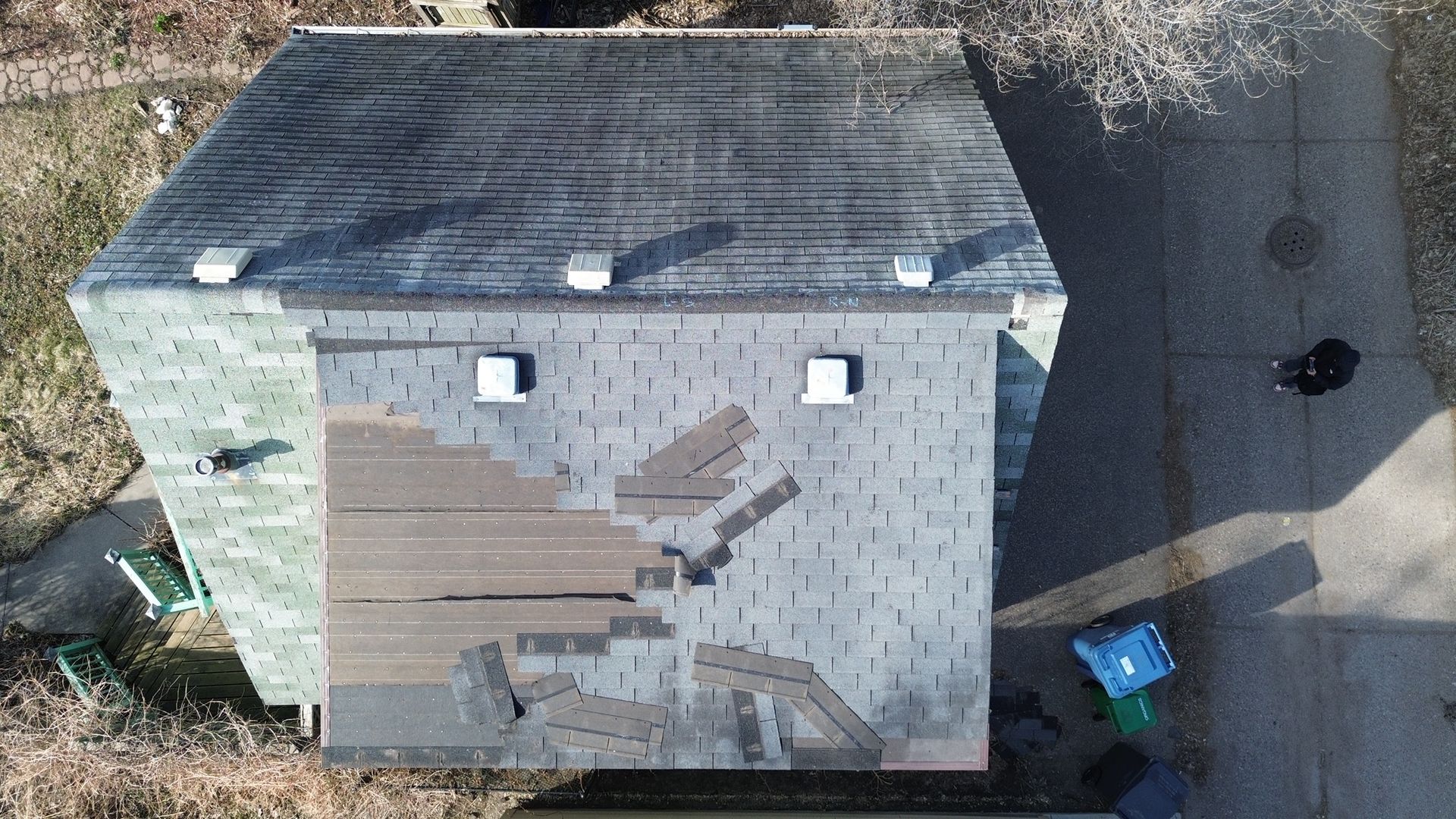 Wind and debris damage, Denver area
How debris and tree damage affects Denver homes
Direct answer: Debris and tree damage often occurs during high winds, severe storms, or heavy snow accumulation. This type of damage is often obvious but hidden issues can remain beneath the surface.
In Denver, we commonly see:
- Tree limbs puncturing or crushing roofing materials
- Broken branches damaging siding or trim
- Impact damage to windows and frames
- Gutters pulled loose or crushed by falling debris
- Structural stress around rooflines and eaves
- Secondary water intrusion after impact events
Signs you may have debris or tree damage
Direct answer: You should schedule a professional inspection if you notice impact marks, broken branches, cracked siding, shattered glass, bent gutters, or interior leaks. Even small impacts can compromise protective layers and should be evaluated promptly.
- Visible impact marks or holes in the roof
- Broken branches on or near the home
- Cracked siding or trim after a storm
- Shattered or cracked window glass
- Bent or detached gutters and downspouts
- Interior leaks following debris impact
Related Denver services: Roof Repair Denver and Roof Inspection Denver.
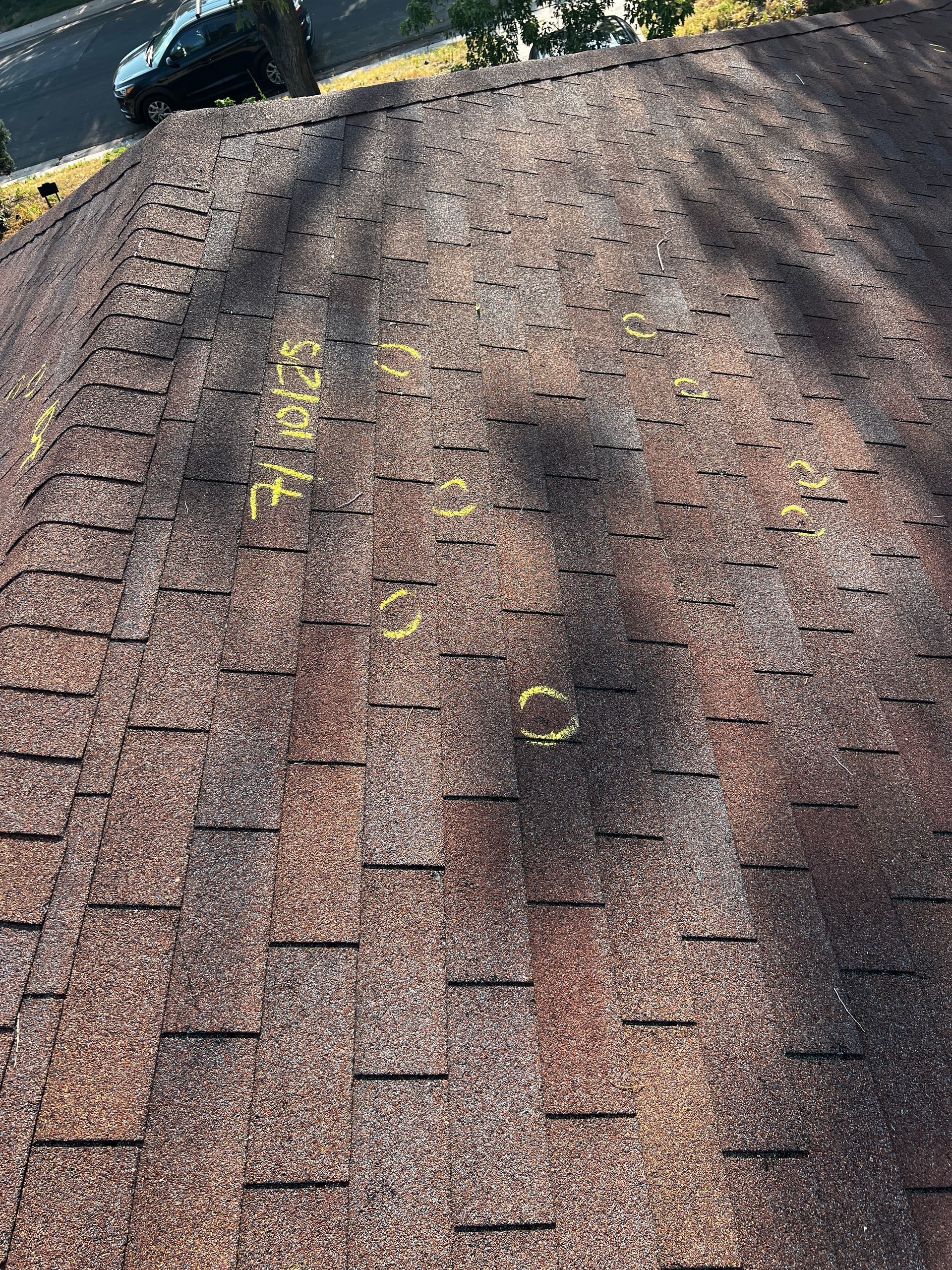 Impact damage assessment, Denver
Our debris and tree damage inspection process
Direct answer: We follow a safety first, documentation focused process to protect homeowners and ensure accuracy, from an exterior safety assessment through clear repair recommendations.
Exterior Safety Assessment
We inspect the roof, siding, windows, gutters, and surrounding areas for impact damage and safety concerns.
Structural Evaluation
We assess decking, framing areas, and attachment points affected by debris or tree impact.
Documentation
Photos and notes are collected to clearly document damage for repair planning and insurance purposes.
Repair Recommendations
You receive a clear explanation of findings and next steps: temporary stabilization, repair, or replacement.
Debris and tree damage repairs we provide in Denver
Depending on severity, repairs may include:
- Roof repair or full roof replacement
- Siding repair or replacement
- Window replacement for units damaged by impact
- Gutter repair or replacement
- Coordinated exterior restoration when multiple systems are affected
- Temporary stabilization to protect the home after impact
Debris and tree damage often requires a coordinated approach rather than isolated fixes.
What Denver homeowners face along the Front Range
Denver sits in Colorado's Hail Alley, where storm frequency, high altitude UV, heavy snow, and wind gusts put exteriors under more stress than most markets.
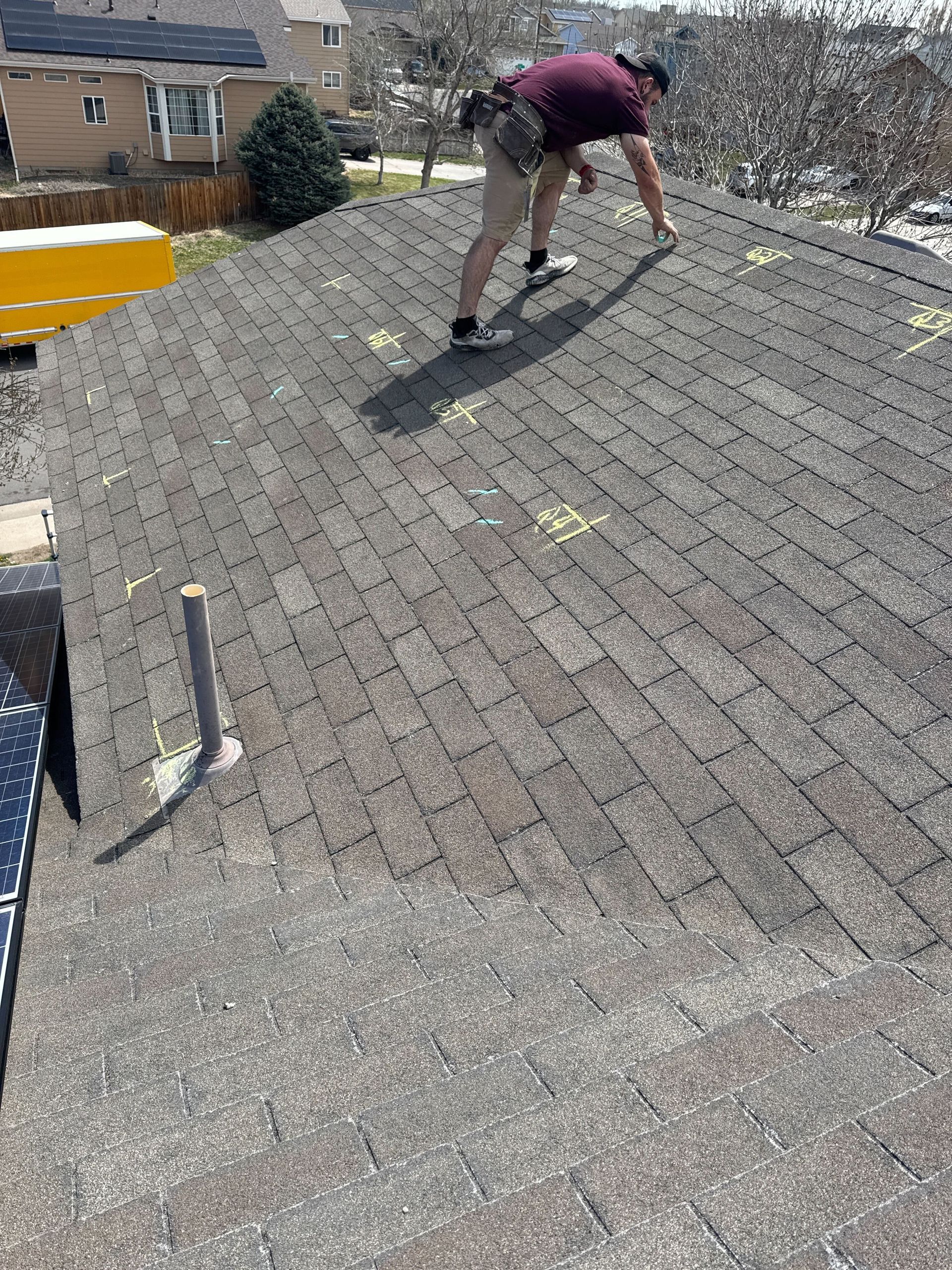 Inspection with photos, Denver
Debris and tree damage and insurance claims in Denver
Direct answer: Damage caused by falling trees or debris is often covered by homeowners insurance, depending on the cause of loss. Coverage depends on your policy and circumstances, but proper documentation is critical.
We assist by:
- Documenting damage caused by impact
- Providing inspection reports
- Helping prepare for insurance adjuster inspections
- Explaining approved repair scopes
See our storm damage hub for how a full multi trade storm damage insurance claim comes together.
Why Denver homeowners choose Precision Exteriors Restoration
Direct answer: Since 2016, Precision Exteriors Restoration has handled storm damage caused by impact across Denver with thorough inspections, documentation ready for insurance, and the ability to repair roofing, siding, windows, and gutters together under one contractor.
- Experience handling storm damage caused by impact in Denver
- Thorough inspections and honest assessments
- Documentation ready for insurance
- Ability to repair roofing, siding, windows, and gutters together
- Clear communication from inspection through completion
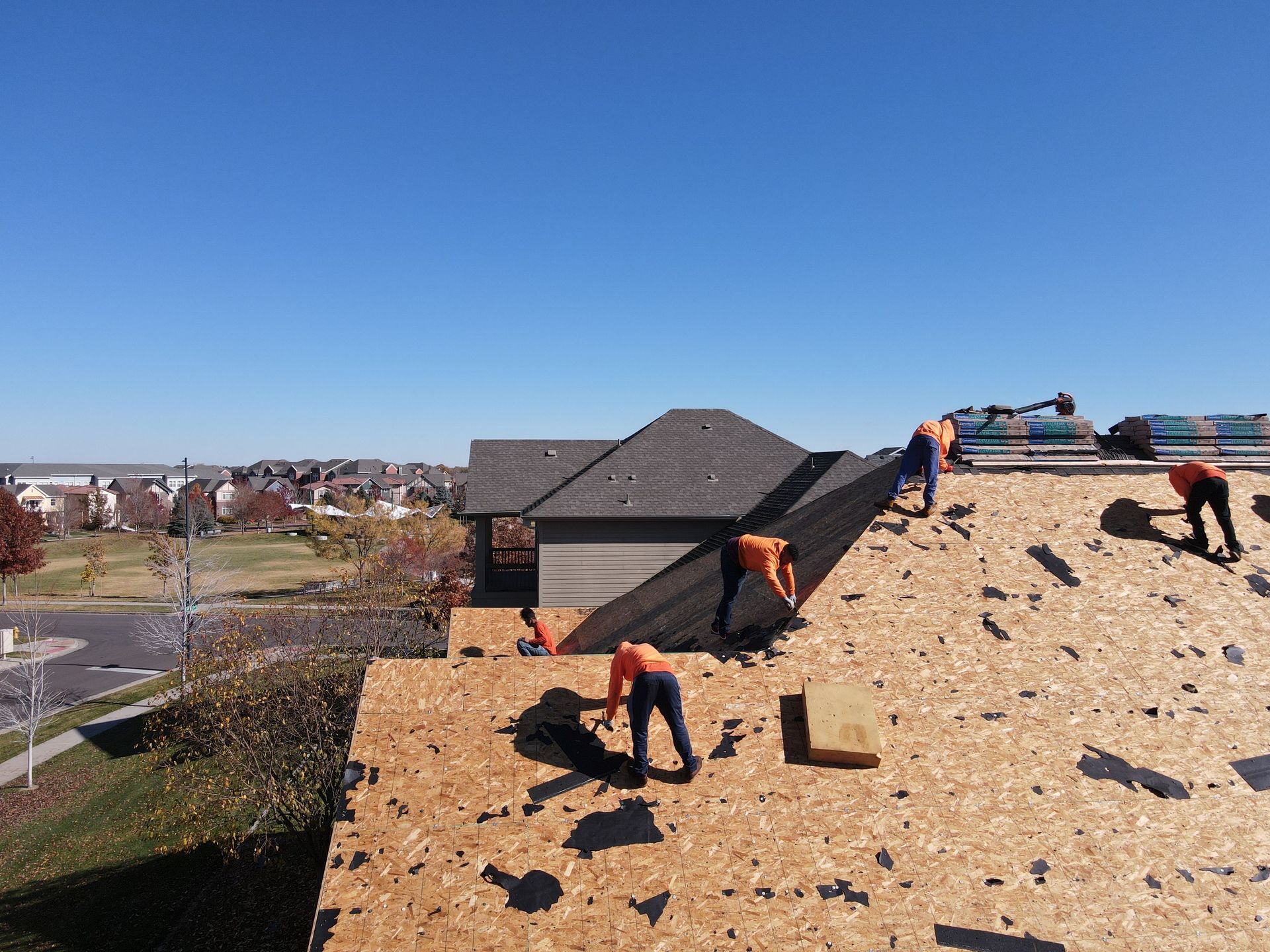 Completed roof replacement, Denver, Colorado
Protected in writing, for the long run
Every Precision Exteriors Restoration project is backed in writing, so your Denver home stays protected long after our crew leaves.
10 Year Workmanship Warranty
The Precision Warranty covers the quality of our installation for a full decade, in writing.
Certified Installer Manufacturer Warranty
As an Owens Corning Preferred Contractor and CertainTeed Shingle Master Installer, we register manufacturer backed material warranties most contractors cannot offer.
Licensed, Insured, Local Since 2016
Colorado License #0248041, BBB A+, with 3,000+ completed Front Range projects.
Rated 4.6 stars by Front Range neighbors
Real, verified Google reviews from homeowners across the Denver metro. We are proud of an honest 4.6 stars rating built one roof at a time. Read our reviews.
"The Precision team was great and provided me with great customer service and results. Special thanks to Anthony for helping me through the insurance process in making sure the details were covered."
"Great quality work, friendly service. Fast and clean service."
"They showed up on time, they knew their stuff, they did the work, and they did it well."
"Could not give Precision Exteriors a higher recommendation. Professional, timely, and great to work with."
Explore all services in Denver
Precision Exteriors Restoration handles your full exterior in Denver: roofing, siding, gutters, windows, and storm restoration.
Denver debris and tree damage questions, answered
Do you provide debris and tree damage repair in Denver, CO?
What parts of Denver do you serve?
How do I know if I have debris or tree damage?
Is debris and tree damage covered by homeowners insurance?
What does your debris and tree damage inspection include?
What repairs can you handle after a tree or debris impact?
Schedule debris and tree damage repair in Denver
Get a free debris and tree damage repair assessment with photos from a licensed, local Denver contractor serving Denver and the Front Range. A professional inspection is the safest first step.