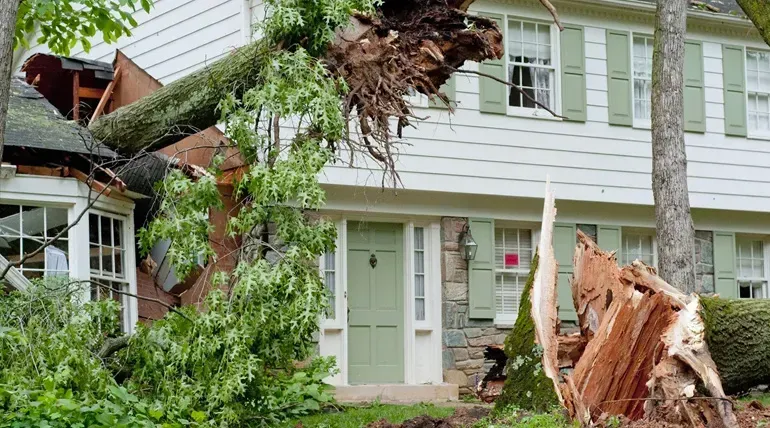
Roofing Services in Denver, CO — Licensed Contractor, Free Inspections, 10-Year Warranty
Licensed Roofing Contractor — Founded 2016 — Serving Front Range Homeowners for Nearly a Decade · CO License #0248041 · 3,000+ Completed Projects Across Denver Metro and Front Range · Owens Corning Preferred Contractor · CertainTeed Master Installer · BBB A+ Accredited · NRCA Member · 20+ Years Combined Experience · 10-Year Workmanship Warranty · Free Inspections — No Obligation · 24-Hour Emergency Response
Precision Exteriors Restoration is a licensed Denver roofing contractor — Colorado License #0248041 — providing roof inspections, roof repair, roof replacement, emergency roofing, and storm damage evaluation to residential and multi-family properties throughout Denver, Colorado. Founded in Denver in 2016. 3,000+ completed Front Range projects. 200+ roofing jobs in Denver, Aurora, and Montbello in 2024. 100+ projects in Aurora and Denver in 2025. Denver-based and Denver-focused through every hail season since 2016. Owens Corning Preferred Contractor. CertainTeed Master Installer. BBB A+. NRCA member. 10-year workmanship warranty. Free inspections — no obligation. 24-hour emergency response.
Denver roofing is not generic Front Range roofing. This city operates under a three-zone wind speed classification system, sits in the heart of the national hail corridor, experiences high-altitude UV degradation that shortens shingle service life beyond what manufacturer tables predict, and has a specific permitting environment that directly affects homeowners' insurance claim outcomes. A roofing company that works Denver needs to know this market — the codes, the climate, the insurance dynamics, and the storm history — not just how to install shingles.
We have worked this market since 2016. We pulled permits on every replacement job in 2024 and we will in 2025. We will be here after the next storm season.
Roofing Services We Provide in Denver
Precision Exteriors provides the complete scope of residential and multi-family roofing services in Denver. Every recommendation is based on verified roof conditions — not assumptions, not sales pressure, and not a scope driven by what produces the largest invoice.
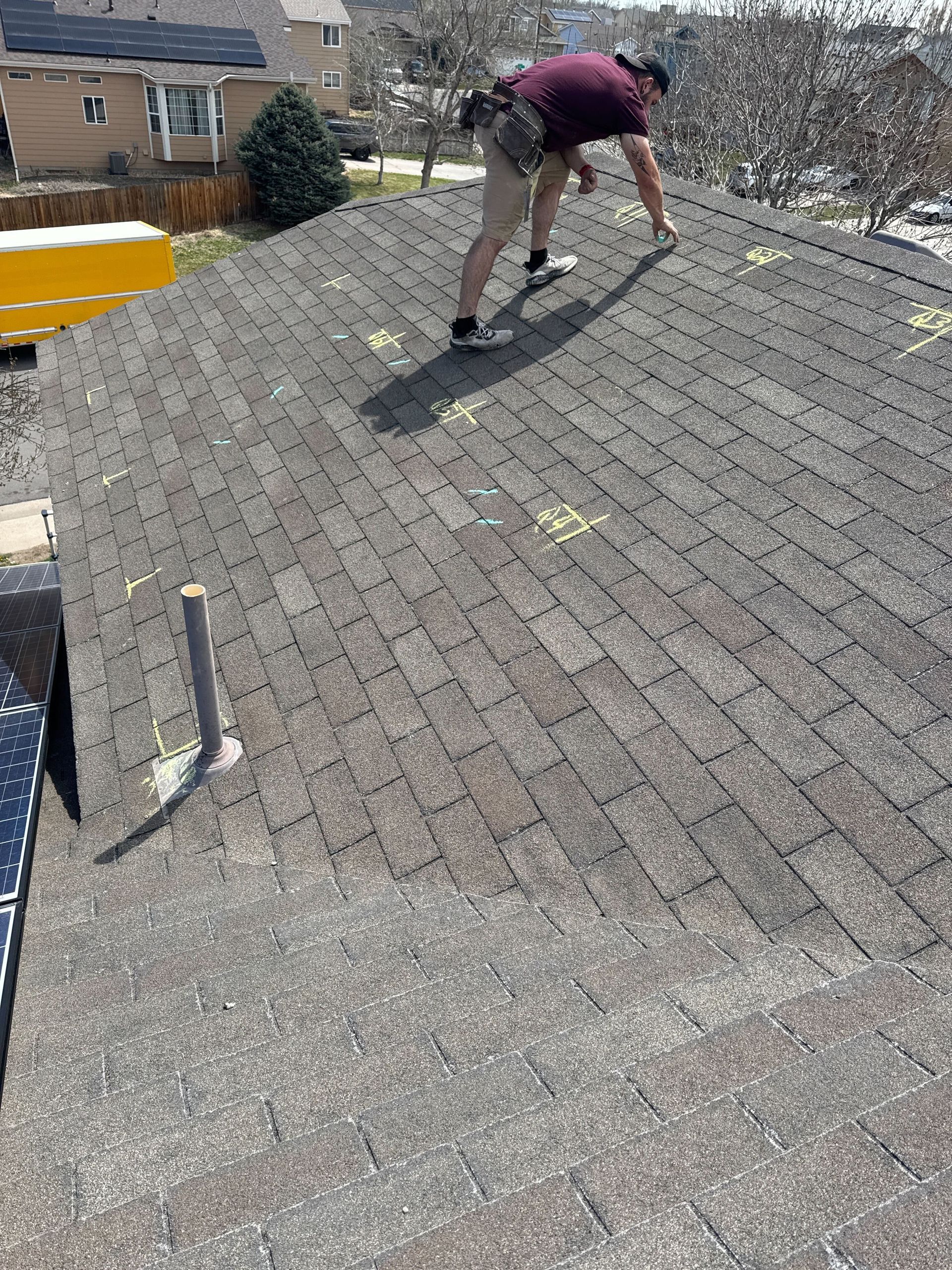
- Roof Inspection Denver — documented condition assessment, storm impact evaluation, pre-adjuster documentation
- Roof Repair Denver — targeted repair of verified failures: pipe boots, flashing, shingle damage, active leaks
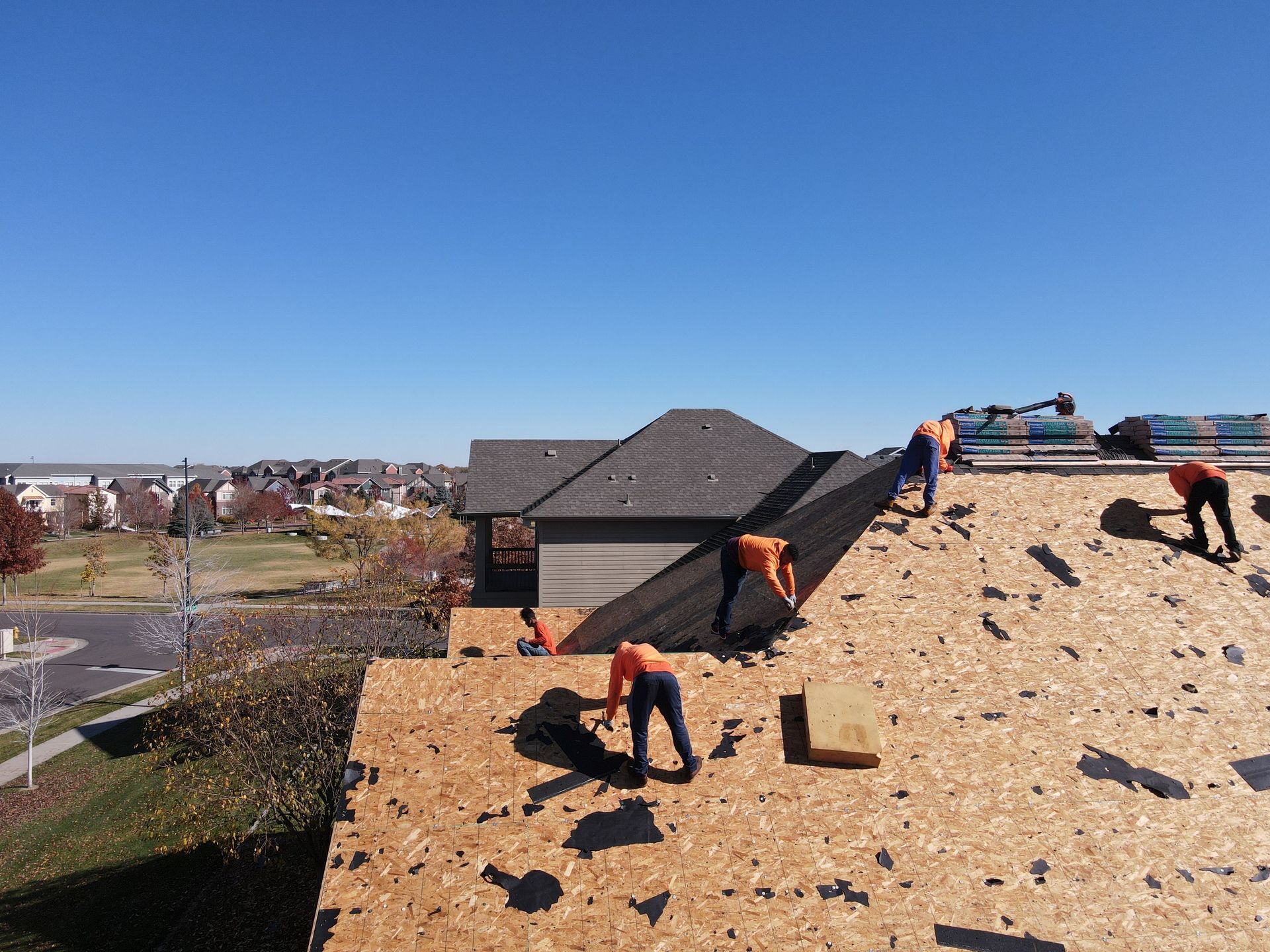
- Roof Replacement Denver — full system replacement with zone-appropriate materials, permitted installation, manufacturer warranty
- Emergency Roofing Denver — 24-hour response for active leaks, storm exposure, emergency tarping, same-day stabilization
- Storm Damage Denver — post-storm evaluation, full exterior documentation, insurance claim support
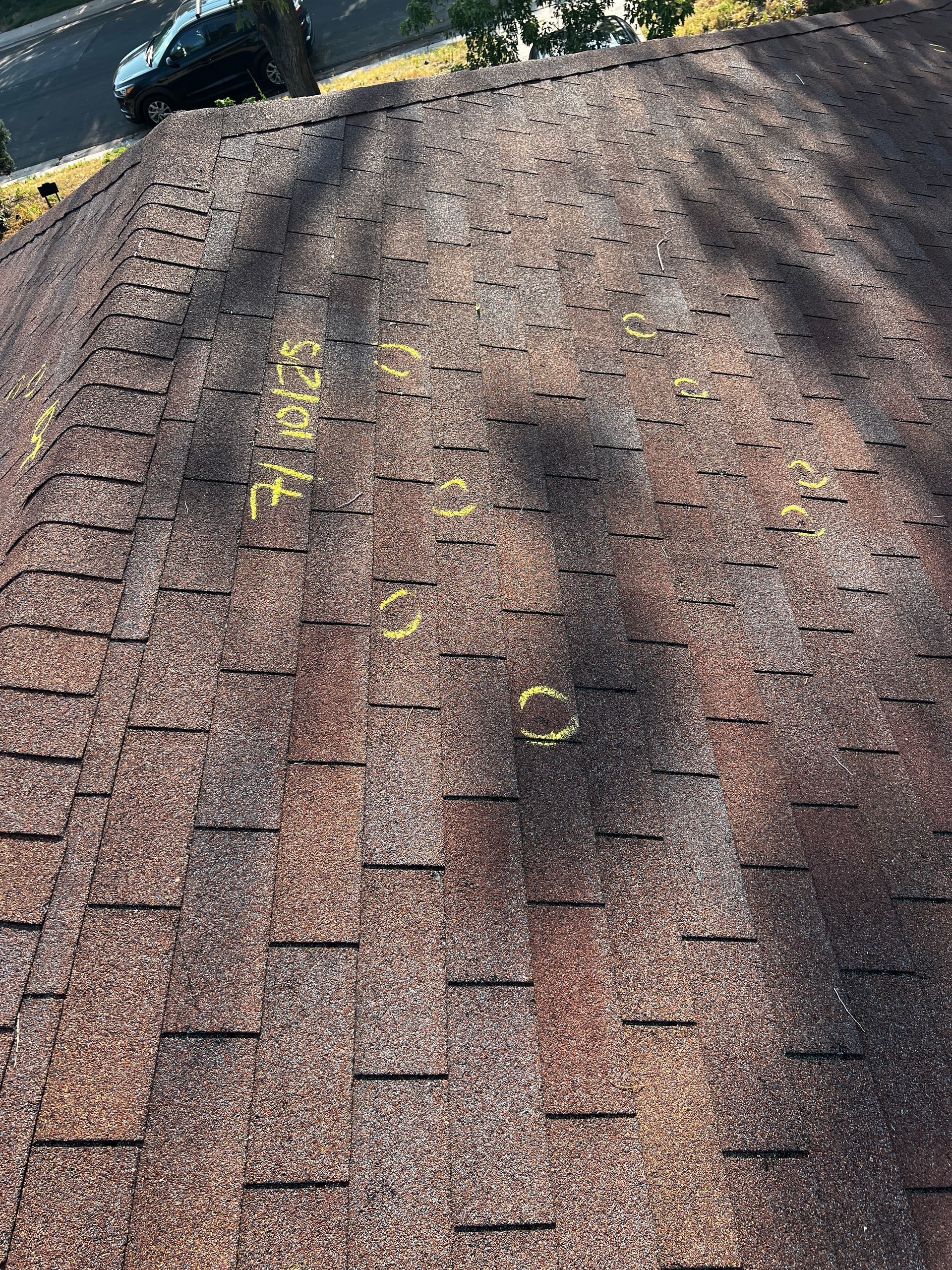
- Hail Damage Denver — hail impact assessment, granule loss documentation, adjuster coordination
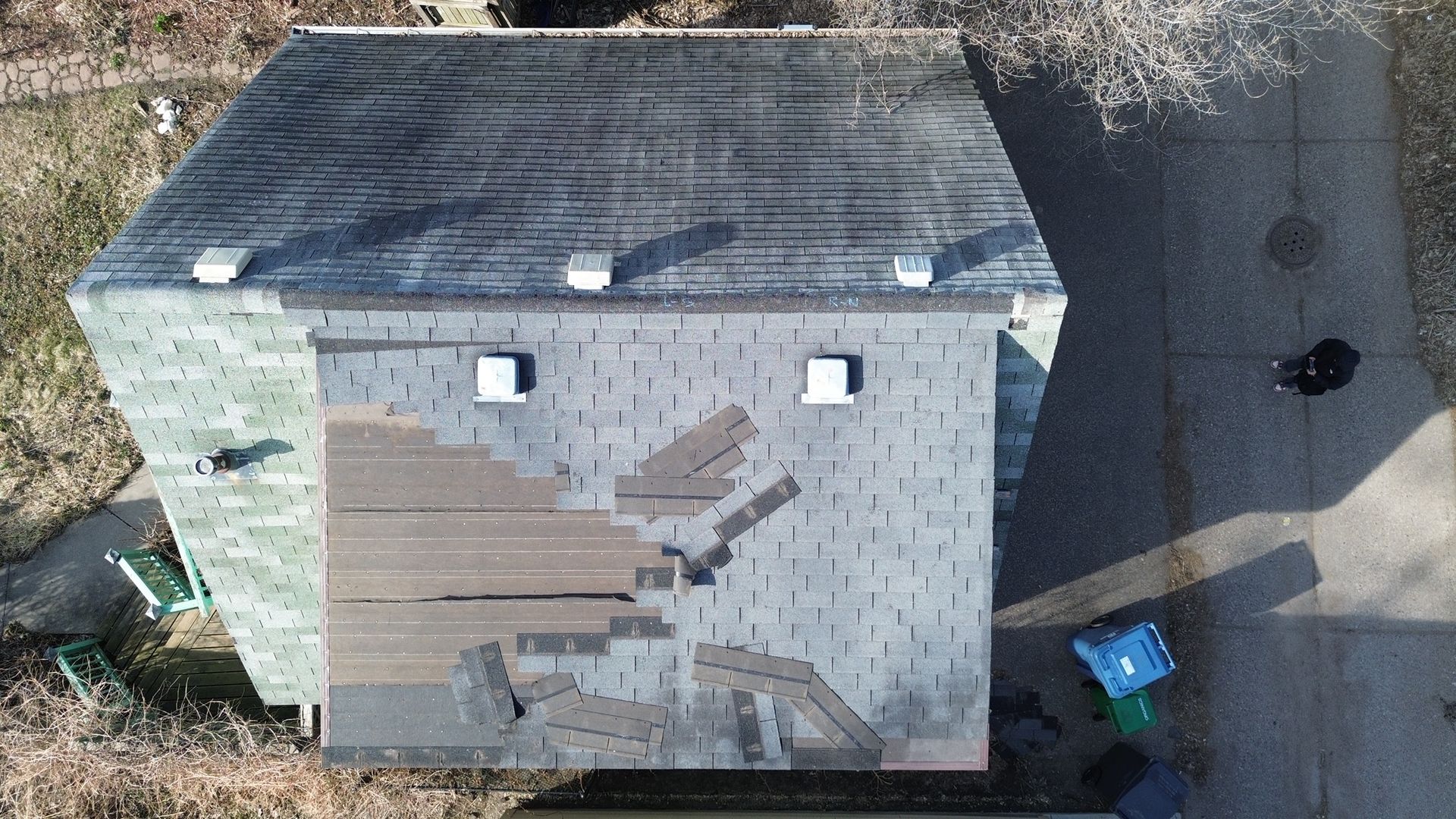
- Wind Damage Denver — wind uplift evaluation, displaced shingles, flashing and ridge cap assessment
- Roof Replacement Process Denver — how replacement works start to finish
- Roof Repair Process Denver — how repair scope is determined and executed
- Roof Inspection Process Denver — what a professional inspection covers and documents
What Makes Denver Roofing Different From the Rest of Colorado
Denver homeowners are exposed to a damage profile that is more concentrated, more frequent, and more financially complex than most other Front Range markets. Understanding what your roof is actually up against is the starting point for every decision — repair, replacement, inspection, or claim.
The Front Range Hail Corridor
Denver sits at the convergence of atmospheric conditions that produce some of the most severe hail events in North America. The city's elevation, proximity to the Rockies, and position along the storm track that moves northeast out of the mountains creates a hail frequency and intensity profile that consistently ranks Colorado among the top five states nationally for hail-related insurance losses. The May 2024 Denver hailstorm alone produced an estimated $1.9 billion in metro-wide insured losses — following a 2017 event that caused $2.3 billion. Two events. Same month of the year. Four billion dollars in combined losses across a decade. This is not unusual weather for Denver. It is the pattern.
For homeowners, this means that a roof that has never leaked may still have sustained functional damage from hail impact — damage that is invisible from the ground, does not produce immediate leaks, but has fractured the fiberglass mat in asphalt shingles and created failure points that will produce leaks within one to three storm seasons if not addressed. The only way to know the actual condition of a Denver roof after a significant hail event is a close-range professional inspection.
Denver's Three Wind Zones
Denver is one of the few cities in Colorado with a formally defined, multi-zone wind speed classification system. The city divides properties into Zone 1 (115 mph design wind speed), Zone 2 (125 mph), and Zone 3 (140 mph). Zone 3 properties are primarily located on the more exposed western and southern edges of the metro. Material requirements differ meaningfully by zone — shingle wind ratings, fastening schedules, and ridge cap specifications that meet Zone 1 code may not meet Zone 3 requirements.
This matters for two reasons. First, a contractor who installs Zone 1-rated materials on a Zone 3 property installs the wrong product — and the city inspection will reflect that. Second, out-of-area storm chasers who do not know Denver's zone system routinely install underspecified materials because Zone 1 products are cheaper and faster. The result is failed inspections, voided manufacturer warranties, and a roof that does not meet the performance standard the city requires for your specific address.
Before any replacement is completed, confirm that your contractor knows your property's wind zone and is installing zone-appropriate materials. Precision Exteriors verifies wind zone classification on every Denver replacement job.
High-Altitude UV Degradation
At 5,280 feet, Denver's atmosphere provides substantially less ultraviolet filtration than lower-elevation markets. Asphalt shingles are rated for performance based on testing that often does not account for high-altitude UV load. In practice, Denver roofs degrade under UV faster than manufacturer performance tables predict — shingles lose granule coverage sooner, organic components break down faster, and the flexibility that allows shingles to expand and contract through freeze-thaw cycling diminishes earlier in the service life.
For Denver homeowners, this means that a 15-year-old roof may be performing closer to a 20-year-old roof in a lower-elevation market. Annual inspection after the 12–15 year mark helps catch granule loss thresholds and seal failure before they produce leaks.
Freeze-Thaw Cycling and Penetration Failures
Denver's temperature profile produces aggressive freeze-thaw cycling across the shoulder seasons — spring and fall — when temperatures move above and below freezing repeatedly within the same week. Every transition point in the roofing system — pipe boot seals, flashing joints, valley intersections, ridge cap seams — is subject to repeated expansion and contraction that gradually opens gaps. These gaps are typically invisible without close-range inspection and do not produce leaks until precipitation loads them. They are the most common source of active leaks on otherwise intact Denver roofing systems and the first locations a thorough inspection prioritizes.
Roof Inspections in Denver — What, When, and Why
A professional roof inspection is the foundation of every good roofing decision. It documents actual conditions — not what the roof looks like from the driveway, and not what an adjuster estimates from a 15-minute walkover. A thorough inspection covers shingle condition and granule retention, flashing integrity at every penetration and transition, ridge cap attachment, valley performance, ventilation adequacy, gutter and drainage condition, and storm impact indicators including hail bruising and wind uplift patterns.
When Denver homeowners should schedule an inspection:
After any hail event where reported stone size was quarter-diameter or larger. After any wind event with sustained speeds above 50 mph or gusts above 70 mph. When ceiling stains, attic moisture, or interior leaks appear — even small ones. Before listing a property for sale. When a roof is approaching 12–15 years of age. After any winter with significant ice dam loading.
Why pre-adjuster inspection matters:
In Denver's insurance environment, the single most important factor in a successful storm damage claim is the documentation record that exists before the adjuster visits. Adjusters work from their own inspection findings — which are often conducted quickly, sometimes from the ground, and evaluated against policy definitions that do not always align with real-world performance impact. A contractor-prepared pre-adjuster inspection with close-range photos of every damage point, organized by location and damage type, gives your claim a documented baseline that supports a complete settlement. Homeowners who call their insurer before getting a contractor inspection often receive settlements based on what the adjuster found on a fast walkover — not the full damage scope.
Schedule a Roof Inspection in Denver →
Roof Repair in Denver — When Repair Is the Right Call
Repair is appropriate when the roofing system is fundamentally stable and the failure is isolated — a single pipe boot that has cracked and separated, a section of flashing that has lifted at a wall transition, a missing shingle course from wind uplift, an open gap at a ridge cap seam. These are real performance failures that allow water intrusion and that will expand in scope if not addressed, but they do not require replacing a functional system to resolve.
In Denver's storm environment, timely repair has an additional dimension: it stops the damage at its current scope. A flashing failure that is repaired within the season it occurred is a repair. The same failure that goes unaddressed through a winter of freeze-thaw cycling and one more storm season may progress to decking damage, insulation saturation, and interior wall cavity moisture — all of which significantly expand the scope and cost of resolution.
Common repair needs in Denver:
Failed pipe boots are the single most common isolated leak source on Denver residential roofs. The rubber collar that seals around plumbing vent penetrations degrades under UV and temperature cycling, separates from the pipe, and allows water to route directly to the decking. A failed pipe boot is a one-hour repair that prevents potentially thousands of dollars in interior damage if caught early.
Flashing failures at chimney bases, skylights, dormers, and wall transitions are the second most common leak source. Flashing is a metal component that moves differently than the roofing material around it — thermal expansion creates gaps over time, particularly at counter-flashing and step-flashing terminations.
Wind-displaced shingles from Denver's sustained wind events expose the underlayment to UV degradation and direct precipitation. Replacing missing or lifted shingles promptly maintains the weather barrier while the underlying system is still sound.
Roof Repair Services in Denver →
Roof Replacement in Denver — What Drives the Decision and What the Process Involves
Replacement is the right call when the roofing system can no longer be made reliable through targeted repair — when damage is widespread across multiple planes, when the system is at or past its service life and repair is extending a roof that will need replacement regardless within the next one to two seasons, or when storm damage has compromised the system beyond what isolated repairs can address.
In Denver's insurance environment, replacement decisions are also shaped by policy structure. Homeowners with Replacement Cost Value (RCV) coverage are entitled to receive the full current cost of replacement when storm damage is the qualifying event. Homeowners with Actual Cash Value (ACV) coverage — or homeowners whose RCV coverage has been renegotiated to ACV at renewal due to their roof's age — receive a depreciated payout. Understanding which coverage applies before a storm event, and ensuring your replacement history is properly documented, directly affects what a claim pays.
The permit requirement every Denver homeowner must understand:
Every roof replacement in Denver requires a building permit. The permit creates a permanent, city-filed installation record — the date of replacement, the contractor of record, and the confirmation that the installation passed city inspection. This record is a critical asset in future insurance claims.
When a roof is replaced without a permit — a practice common among storm chasers and unlicensed contractors who skip permits to move faster — no official installation record exists. Insurers cannot verify the installation date. At the next claim, the roof's age is disputed or assumed based on visible condition. We are documenting an increasing pattern of carriers using missing permit records as a basis for shifting RCV settlements to ACV, with claim reductions of $5,000 to $15,000 or more on full replacement scopes.
Ask your contractor whether they will pull a permit before any replacement work begins. A licensed Denver contractor will always answer yes. Request a copy of the permit and the signed inspection record when the job is complete, and keep it with your home file. Precision Exteriors pulls permits on every replacement job in Denver as a standard practice.
Material selection for Denver conditions:
Impact-resistant shingles — Class 3 or Class 4 rated — are the appropriate baseline for Denver's hail exposure. Class 4 shingles are the highest impact resistance rating available and are required under some Denver HOA covenants and recommended by Colorado carriers who offer premium discounts for their installation. Beyond impact resistance, material selection must account for wind zone classification (see above), manufacturer warranty terms, and the specific slope and ventilation configuration of the property.
Owens Corning and CertainTeed products — both manufacturer lines we are certified to install and warrant — offer impact-resistant options that meet Denver's climate requirements and carry manufacturer warranties that are backed by the certification relationship, not just the installation crew.
Roof Replacement Services in Denver →
Emergency Roofing in Denver — 24-Hour Response
A roof breach in Denver does not wait for business hours. Chinook wind events move through the metro at night. Hail events that saturate a roof at 10pm create active leak conditions before morning. A displaced ridge cap section after a spring storm exposes underlayment to the precipitation event that typically follows within 48 hours.
We respond to emergency roofing calls in Denver 24 hours a day, 7 days a week, including nights, weekends, and holidays. Emergency response includes on-site assessment of the breach, emergency tarping for exposures that cannot be permanently repaired within the same weather window, same-day permanent repair when conditions allow, interior damage documentation for the insurance claim, and pre- and post-stabilization photography that supports the mitigation expense reimbursement.
Emergency tarping costs are covered as a mitigation expense under most homeowner policies when the underlying damage is a covered peril. They are submitted as a supplement to the permanent repair claim — not deducted from the repair settlement. We prepare and submit this supplement on every emergency-originated Denver claim.
Emergency Roofing Denver — 24 Hours →
Storm Damage Roofing in Denver — Documentation, Claims, and Scope
Denver's storm environment produces insurance claims as reliably as it produces storm damage. Navigating a hail or wind damage claim in Denver requires understanding how Colorado carriers evaluate evidence, what documentation supports a complete settlement, and where homeowners most commonly leave covered expenses uncollected.
The documentation window that determines your claim:
The 60 minutes after a Denver storm event are the most valuable documentation window in your entire claim process. Pre-stabilization photos — taken before any tarping, repair, or adjuster visit has altered the damage condition — are the evidence that supports a full settlement. Once a tarp covers the damage or emergency repair closes the breach, the original condition is no longer visible. Adjusters who arrive after stabilization work from the post-repair condition. Your photos are the record of what actually existed before intervention.
Photograph everything from the ground before calling anyone: displaced shingles, open roof areas, gutter damage, siding impacts, debris on the roof, and interior water damage if present. Date and time stamps are automatic on smartphone cameras — keep them active.
What Denver homeowners most commonly miss on storm claims:
Emergency mitigation expenses — tarping, temporary repair, emergency dispatch — are covered as a separate line item on most policies when the underlying damage is a covered peril. They are not deducted from the repair settlement. They are submitted as a supplement. Homeowners who manage their own claims without contractor support frequently never submit this supplement and leave $350–$900 in covered expenses uncollected per event.
Xactimate-format documentation — the standard format for insurance claim submissions — organizes damage findings in the structure that adjusters use to evaluate and approve scope. We prepare Xactimate documentation on every storm-damage project in Denver and submit supplement requests for covered expenses the initial adjuster estimate missed.
Storm Damage Roofing Denver → | Hail Damage Denver → | Wind Damage Denver → | Insurance Guidance Denver →
How to Choose a Denver Roofing Contractor — What to Verify Before Signing
Denver's hail corridor attracts more storm-chasing roofing crews per capita than almost any other metro in the country. After every significant event, out-of-state contractors arrive within 24–48 hours, knock doors across the affected neighborhoods, and offer same-day inspections and same-day contracts. Some are legitimate. Many are not.
The consequences of hiring the wrong contractor are not just cosmetic. A storm chaser who skips the permit process leaves you with no installation record — and an ACV settlement at your next claim instead of RCV. A contractor who installs Zone 1 materials on a Zone 3 property leaves you with a failed inspection and a voided manufacturer warranty. A contractor who pressures you into a replacement scope before your adjuster has assessed the damage may be proposing work that your policy does not cover under the circumstances in which it was sold to you.
Before signing any Denver roofing contract:
Verify the Colorado license at dora.colorado.gov. This takes two minutes. Precision Exteriors is CO License #0248041 — search it, confirm it is current, confirm it is issued for your jurisdiction. Any legitimate contractor provides their license number without hesitation and welcomes verification.
Ask whether they will pull a permit for the job. One question. The answer must be yes for any replacement scope.
Confirm a verifiable Denver-area address. Not a P.O. box. Not an out-of-state address. A contractor with a local address, a local license, and a multi-year project history in Denver has accountability in this market that a seasonal operation does not.
Do not sign a full replacement contract during an emergency response visit. Stabilization — tarping, temporary repair — does not require a contract for the full scope. A contractor who insists on a signed replacement contract as a condition of emergency response is using urgency to close a sale before the damage has been properly assessed.
Check whether they have completed work in your specific part of Denver. Contractors with 200+ verified Denver and Aurora projects in a single year have a local footprint that is documentable, reviewable, and accountable in a way that a crew that arrived last week is not.
Denver Neighborhoods We Serve
Precision Exteriors provides roofing services to homeowners and multi-family property owners throughout Denver including Capitol Hill, Washington Park, Cherry Creek, City Park, Park Hill, Highlands, Sloan's Lake, Berkeley, Congress Park, Baker, Platt Park, University Hills, University Park, Montbello, Green Valley Ranch, Central Park (Stapleton), Lowry, Hilltop, Mayfair, Virginia Village, Harvey Park, Bear Valley, and Globeville.
Denver's construction history spans more than 150 years — from Victorian-era homes in Capitol Hill and Five Points to mid-century ranch construction in Harvey Park and Bear Valley to newer production and infill builds in Central Park and Green Valley Ranch. Each era of construction presents distinct roofing system characteristics: older homes often have complex rooflines, layered flashing assemblies from multiple previous repair generations, and ventilation systems that do not meet current code standards. Newer construction may present warranty compliance questions related to the original installation and manufacturer certification requirements for future claims.
We serve all of them with the same inspection and documentation standard.
Denver Roofing — Frequently Asked Questions
How do I know if my Denver roof has hail damage?
Hail damage on asphalt shingles is often not visible from the ground. Close-range inspection indicators include circular impact marks with granule displacement, soft spots in the shingle surface where the fiberglass mat has been fractured, cracked or split tabs, and granule accumulation in gutters significantly above normal levels. Hail also damages pipe boot collars, flashing caps, ridge cap shingles, gutters, and soft metal components — all of which should be evaluated after any significant event. If you experienced quarter-sized hail or larger at your address, a professional inspection is the only way to confirm whether functional damage occurred.
How long does a roof last in Denver?
A standard three-tab asphalt shingle roof in Denver typically performs for 15–20 years. Architectural and dimensional shingles in the 30-year range typically perform for 20–25 years under Denver's UV and storm load. Class 4 impact-resistant shingles extend the performance envelope further and often qualify for insurance premium reductions. The service life in Denver is consistently shorter than manufacturer performance tables predict due to high-altitude UV exposure — annual inspection after the 12-year mark helps identify degradation before it produces active leaks.
Do I need a permit for a roof repair in Denver?
Permits are typically required for full roof replacements in Denver. Isolated repairs — replacing a pipe boot, resealing flashing, replacing a small number of shingles — generally do not trigger a permit requirement. The threshold is generally set at replacing more than 10 percent of the roof surface or two squares of material, above which a permit is required. When in doubt, confirm with Denver Community Planning and Development before work begins. For any full replacement, a permit is required — no exceptions.
How do I verify a Denver roofing contractor is licensed?
Search the contractor's name or license number at dora.colorado.gov. This is the Colorado Department of Regulatory Agencies contractor license database — it is publicly searchable, free, and takes less than two minutes. Confirm the license is active and issued for the appropriate jurisdiction. Precision Exteriors Restoration is CO License #0248041. If a contractor declines to provide their license number or discourages you from verifying it, do not proceed.
What roofing materials are best for Denver's climate?
Class 4 impact-resistant asphalt shingles are the performance baseline for Denver's hail exposure. They carry the highest available impact resistance rating and are required under some HOA covenants in Denver-area communities. Material selection must also account for wind zone classification — Zone 3 properties require products rated to 140 mph wind speed. Owens Corning and CertainTeed both offer impact-resistant product lines certified for Denver's climate conditions.
Can I stay in my home during a roof replacement?
Yes, in most cases. Roof replacement produces significant noise — nail gun operation, material tear-off, and crew movement on the roof surface. If you work from home, plan around video calls and concentration-intensive work during installation hours. Pets that are noise-sensitive should be relocated for the day. Artwork and wall-mounted items near exterior walls may vibrate during installation — move anything fragile before the crew arrives.
How does the insurance claim process work for a Denver roof replacement?
After a storm event: photograph all visible damage from the ground before anyone touches the roof. Call a licensed contractor for close-range inspection and documentation before calling your insurer. The contractor prepares a documented damage report and, if the findings support a claim, you notify your insurer to open a claim. The insurer sends an adjuster. The contractor is present at the adjuster meeting to walk through documented findings. Once the adjuster issues an estimate, the contractor reviews for scope completeness and prepares supplements for any missed items. When scope is agreed, replacement is scheduled. We manage this process on every insurance-originated Denver replacement project.
What is Precision Exteriors' warranty on Denver roofing work?
We provide a 10-year workmanship warranty on all roofing installations. Material warranties are manufacturer-backed — Owens Corning and CertainTeed provide extended material warranties on products installed by certified contractors, which Precision Exteriors is. The combination of a manufacturer material warranty and a 10-year workmanship warranty provides coverage for both product performance and installation quality.
Schedule a Free Roof Inspection in Denver
Call (720) 408-1840 or Request Online →
Free roof inspection — no obligation. We assess your roof's actual condition and give you an honest recommendation: repair, replacement, or no action needed. We document our findings with photos organized by location. We do not recommend replacement when repair is appropriate, and we do not recommend repair when the system has reached the point where replacement is the more cost-effective path.
Available 7 days a week. Emergency response 24 hours a day, including nights and weekends.
Precision Exteriors Restoration 999 18th St UNIT 3000, Denver, CO 80202 (720) 408-1840 admin@precisionexco.com CO License #0248041